
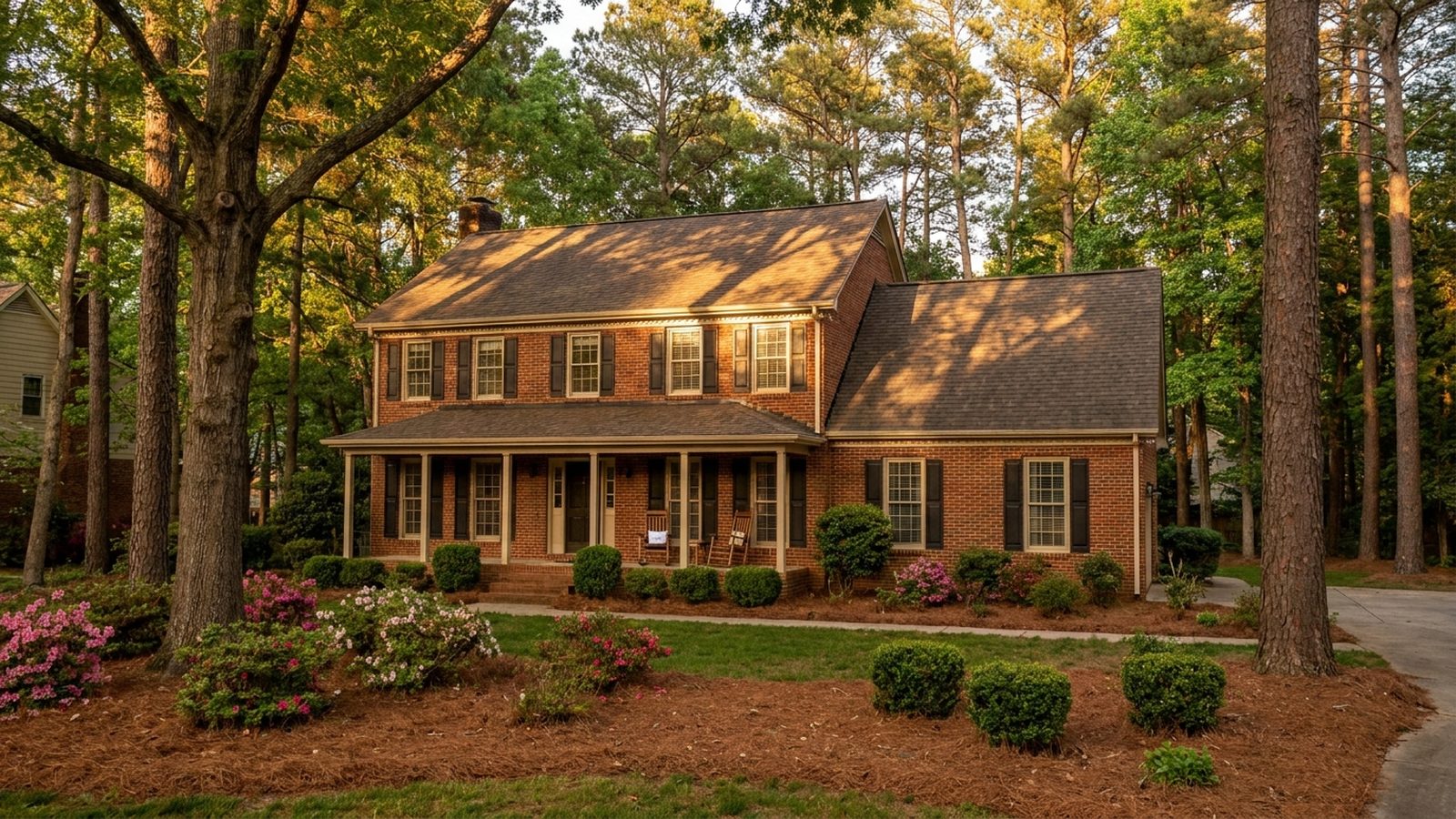
Falling behind on your mortgage payments in Raleigh can feel incredibly overwhelming. Whether you own a historic property in Oakwood, a mid-century split-level in North Hills, or a newer build in Brier Creek, the threat of losing your home brings both emotional and financial stress. However, ignoring the situation will only accelerate the process. You have clear legal rights and multiple avenues to explore, from state-backed assistance programs to selling your property to protect your hard-earned equity.
Understanding how the local legal system operates is your first line of defense. North Carolina has a specific set of rules governing how lenders can reclaim a property, and knowing these steps can help you regain control of your situation. This guide will walk you through the Wake County foreclosure process, outline your loss-mitigation options, and explain how a traditional or cash sale might be the solution you need.
Understanding the Foreclosure Process in Raleigh, NC
In North Carolina, the vast majority of residential foreclosures are non-judicial. This means they are handled through a "power of sale" clause found in your deed of trust, which you signed when you originally purchased or refinanced the home. This clause grants a third-party trustee the authority to sell the property if you default on your loan terms, such as missing monthly payments.
However, unlike some other non-judicial states where the process happens entirely outside of the court system, North Carolina requires a level of judicial oversight. Before a lender can auction your home, they must schedule a hearing before the Clerk of Superior Court. In Raleigh, this takes place at the Wake County Justice Center. The clerk's role is not to hear arguments about why you fell behind, but simply to verify that a valid debt exists, that you are in default, that the deed of trust contains a power of sale, and that proper notice was given.
North Carolina Notice of Hearing Requirement
Under North Carolina law, a mortgagee or trustee using a power of sale must file a notice of hearing with the clerk of court, and the notice must be served not less than 10 days before the hearing. Source: North Carolina G.S. 45-21.16
Because of this mandatory hearing, you will receive official documentation detailing the date and time you are expected to appear. This pre-foreclosure period is a critical window of opportunity. It is the best time to communicate with your lender, consult with legal professionals, and evaluate your financial landscape.
Timeline of a Wake County Foreclosure
Navigating a foreclosure means understanding the clock you are working against. While every situation has unique variables, a typical power-of-sale foreclosure in Wake County follows a predictable sequence of events.
Step 1: Missed Payments and Pre-Foreclosure Notices
The process generally begins after you miss a few mortgage payments. Your loan servicer will send late notices and eventually a formal demand letter or Notice of Default. Federal guidelines typically require servicers to wait a certain period after your first missed payment before officially initiating foreclosure actions, giving you time to apply for assistance.
Step 2: The Notice of Hearing
If the default is not cured, the trustee will file a Notice of Hearing with the Wake County Clerk of Superior Court. As noted earlier, you must be served this notice well in advance of the hearing date. This document will outline the lender's intent to ask the clerk for permission to proceed with a foreclosure sale.
Step 3: The Hearing Before the Clerk
At the hearing, the Clerk of Superior Court reviews the evidence. If the clerk finds that the lender has met all legal requirements, they will enter an order authorizing the trustee to proceed with the sale. You have the right to attend this hearing, and it is highly recommended that you consult with a licensed North Carolina attorney beforehand to understand your rights.
Step 4: Notice of Sale and The Auction
Once authorized, the trustee will post a Notice of Sale at the Wake County courthouse and publish it in a local newspaper. The auction is typically held on the courthouse steps. The property is sold to the highest bidder, which is often the lender themselves entering a credit bid.
Step 5: The 10-Day Upset Bid Period
North Carolina has a unique feature in its foreclosure process known as the upset bid period. After the public auction, the sale is not immediately final. State law mandates a 10-day window during which anyone can submit a higher bid (an "upset bid") at the clerk's office. If a valid upset bid is placed, it triggers a new 10-day waiting period. This cycle continues until 10 full days pass without any new bids. Only then does the sale become final, and the winning bidder receives the deed.
Loss Mitigation and Foreclosure Prevention Options
If you want to stay in your home, acting quickly is paramount. Lenders generally prefer to avoid the time and expense of a foreclosure and may offer several loss-mitigation options.
Loan Modification: This involves permanently changing the terms of your mortgage to make the monthly payments more manageable. The lender might extend the term of the loan, lower the interest rate, or fold the past-due amounts into the principal balance.
Forbearance: If your financial hardship is temporary—such as a short-term job loss or medical emergency—a forbearance agreement allows you to pause or reduce your payments for a set period. Once the period ends, you will need to resume payments and make arrangements to catch up on the missed amounts.
Short Sale: If your home is worth less than what you owe, your lender might agree to a short sale. This allows you to sell the property for its current market value, with the lender accepting the proceeds as satisfaction of the debt. While this still impacts your credit, it is generally less damaging than a completed foreclosure.
To navigate these options, it is highly advisable to seek professional guidance. You can find free or low-cost assistance through a HUD-approved housing counselor. Additionally, the North Carolina Housing Finance Agency offers resources and programs designed to help struggling homeowners. Being proactive and exploring these avenues early can make a significant difference in the outcome. For more broad strategies, you can read our guide on How to Avoid Foreclosure: 5 Options to Save Your Home in 2025.
Get a Cash Offer for Your Raleigh Home
No repairs, no fees, no hassle. Close in as little as 7 days.
Get My Free Offer →Selling Your Raleigh House Before the Auction
If keeping the home is no longer feasible, your best course of action may be to sell the property yourself before the foreclosure auction takes place. Selling allows you to use the proceeds to pay off the mortgage, satisfy the debt, and potentially walk away with your remaining equity intact. You have the right to sell your home right up until the expiration of the final 10-day upset bid period.
Traditional Listing vs. Cash Sale
When deciding how to sell, you must evaluate the condition of your home and the time you have left. Raleigh's climate, with its humid summers and clay-heavy soils, can be tough on houses. If your property has deferred maintenance—such as a failing HVAC system, moisture issues in the crawlspace, or an aging roof—listing it on the traditional market can be challenging. Traditional buyers often rely on bank financing, which requires appraisals and inspections. If the house needs significant repairs, retail buyers may demand concessions or walk away entirely.
Furthermore, traditional sales take time. Prepping the house, hosting showings, negotiating offers, and waiting for the buyer's loan to close can take months. If your auction date is looming, you may not have this luxury.
This is where a cash sale becomes a valuable alternative. Companies that buy houses for cash, like USHomeBuyers.com, can move much faster because they do not rely on traditional bank financing. A cash buyer will purchase the property in its current "as-is" condition, meaning you do not need to spend money or time on repairs, cleaning, or staging. This streamlined process can often be completed in a matter of weeks, providing a reliable exit strategy before the gavel falls at the courthouse.
If you are exploring this route, you can learn more about working with cash home buyers in Raleigh. It is also important to understand the typical legal procedures involved in transferring property in the state, which you can review in our article on Selling a House in North Carolina: Closing Costs and the Attorney Process. Additionally, if your financial troubles have led to other encumbrances on the property, you might find our guide on How to Sell a House With a Tax Lien or Judgment Lien helpful.
Costs, Taxes, and Protecting Your Equity
When you sell a house to avoid foreclosure, understanding the financial breakdown is crucial. If you sell through a traditional real estate agent, you will be responsible for agent commissions, which will be deducted from your proceeds. In a direct cash sale with a company like USHomeBuyers.com, there are typically no agent commissions involved.
Regardless of how you sell, North Carolina requires the payment of an excise tax (often called revenue stamps) upon the transfer of real estate. You will also need a North Carolina real estate attorney to handle the closing, conduct a title search, and ensure that the mortgage and any other liens are properly paid off from the sale proceeds. Attorney fees vary, so you should request quotes from local Wake County law firms.
From a tax perspective, selling your home to avoid foreclosure can have implications, but there are protections in place for primary residences. According to IRS Topic 701: Sale of your home, homeowners may exclude up to $250,000 of gain (or $500,000 if married filing jointly) on the sale of a main home, provided they meet specific ownership and use tests—generally having owned and lived in the home for at least two of the last five years before the sale. It is highly recommended that you consult with a certified public accountant or tax professional to understand exactly how this applies to your specific financial situation.
What to Watch Out For When Facing Foreclosure in Raleigh
When you are in financial distress, you unfortunately become a target for bad actors. Foreclosure records are public, meaning once the Notice of Hearing is filed in Wake County, you will likely receive a barrage of mail, phone calls, and even door-knockers offering to "save" your home.
Be extremely wary of any company or individual who guarantees they can stop the foreclosure, demands upfront fees for counseling or modification services, or pressures you to sign over the deed to your home with the promise that you can rent it back. Legitimate HUD-approved housing counselors provide their services for free or at a very low cost, and they will never ask you to transfer ownership of your property.
Another major pitfall is simply letting the property deteriorate. When homeowners know a foreclosure is imminent, they sometimes stop maintaining the house. In Raleigh, neglecting a property can lead to rapid degradation, particularly concerning moisture control and landscaping. If you ultimately decide to sell the home to salvage your equity, a house in severe disrepair will command a lower price, leaving less money in your pocket after the mortgage is paid off.
Raleigh Foreclosure Preparedness Checklist
- Open all mail from your lender and the Wake County court immediately; do not ignore official notices.
- Document every phone call with your mortgage servicer, including dates, times, and the representative's name.
- Explore state resources like the North Carolina Housing Finance Agency for potential assistance programs.
- Consult a local HUD-approved housing counselor to review your budget and loss-mitigation options.
- Assess your home's equity and review your timeline to determine if selling the property is your safest exit strategy.
Taking the Next Step
Facing foreclosure in Raleigh is a difficult chapter, but it does not have to be the end of your financial stability. By understanding the Wake County legal process, exploring loss-mitigation programs, and recognizing the value of your remaining equity, you can make informed decisions that protect your future. If the clock is ticking and you need a fast, reliable way to sell your home without the hassle of repairs or traditional market delays, a cash buyer can offer a viable solution. If you are ready to explore this option, you can request a no-obligation cash offer to see how much your home is worth today.
This article is general information, not legal, tax or financial advice. Rules change, so confirm details with a licensed professional in North Carolina.
Frequently Asked Questions
How does the foreclosure process work in Wake County?
North Carolina primarily uses a non-judicial power-of-sale process. However, it still requires a hearing before the Clerk of Superior Court in Wake County. The lender must file a notice of hearing and serve it to you before they can proceed with scheduling an auction.
What is the 10-day upset bid period in North Carolina?
After a foreclosure auction takes place, North Carolina law allows a 10-day period where another buyer can submit a higher bid at the county courthouse. If a valid upset bid is placed, a new 10-day period begins. The sale is not final until this period expires without new bids.
Can I still sell my house after the foreclosure process has started?
Yes, you generally have the right to sell your property and pay off the mortgage debt right up until the expiration of the final 10-day upset bid period. Selling before the auction is a common strategy to protect remaining equity and avoid severe credit damage.
Where can I find legitimate help for foreclosure prevention in Raleigh?
You can seek assistance from HUD-approved housing counseling agencies, which offer free or low-cost guidance. Additionally, the North Carolina Housing Finance Agency provides resources and programs designed to help homeowners explore loss mitigation and avoid foreclosure.
Sources & Further Reading
- North Carolina G.S. 45-21.16: Notice and hearing
- North Carolina Housing Finance Agency
- HUD: Find a housing counselor
- IRS Topic 701: Sale of your home
- North Carolina Judicial Branch