
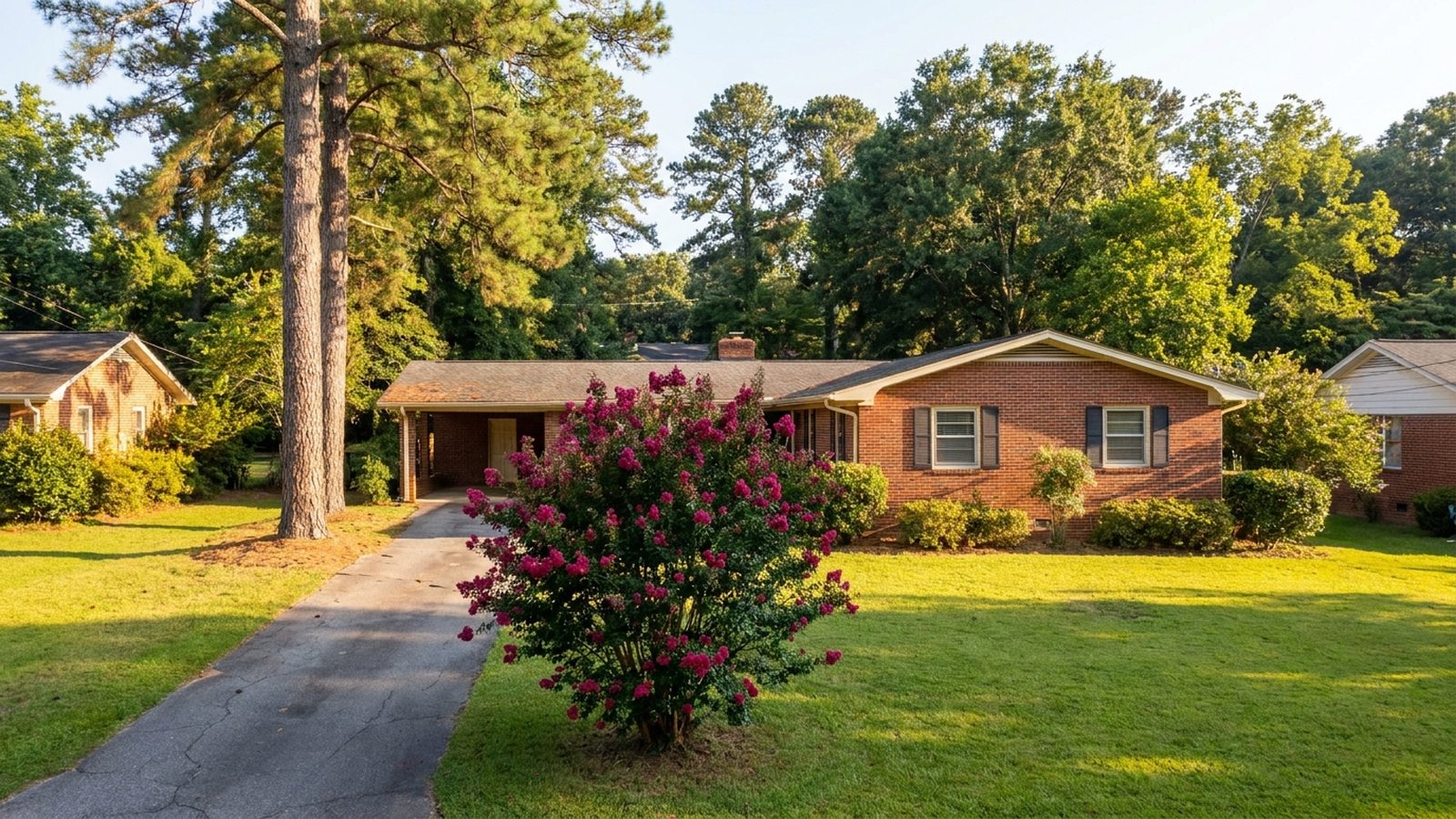
Selling a property in the heart of the Midlands involves much more than simply putting a sign in the yard. For homeowners in Columbia, South Carolina, the process requires navigating unique local market dynamics, understanding state-specific legal requirements, and preparing for the distinct preferences of local buyers. Whether you own a historic bungalow in the Shandon neighborhood, a mid-century home in Forest Acres, or a newer build in the sprawling subdivisions of Northeast Columbia, knowing what to expect can significantly reduce your stress.
Timing is often the most critical factor for sellers. You might be facing a sudden job relocation, a military transfer, or simply a desire to downsize without the hassle of months of showings. In this guide, we will break down the realistic timelines for selling a house in Columbia, SC, comparing the traditional listing route with the accelerated pace of selling to a cash buyer. We will also explore the legal nuances of South Carolina real estate transactions, including the mandatory attorney-supervised closing process.
Understanding the Traditional Selling Timeline in Columbia, SC
When you choose to list your home on the traditional real estate market in Richland or Lexington counties, you are embarking on a multi-phase journey. The timeline for a traditional sale is highly variable and depends heavily on the condition of your home, the time of year, and current mortgage interest rates.
The first phase is preparation. Because of the intense summer heat, high humidity, and heavy spring rains characteristic of the Midlands, local buyers and their home inspectors pay exceptionally close attention to specific structural elements. You may need to spend weeks addressing crawlspace moisture mitigation, repairing aging HVAC systems, or clearing heavy pine needle accumulation from your roof and gutters. Termite bonds are also a major point of negotiation in South Carolina; if your home does not have a current bond, buyers may request that you purchase one or pay for a comprehensive treatment before closing.
Once the home is repaired, staged, and photographed, the active listing phase begins. During this time, your daily routine will be interrupted by showings and open houses. Even if you receive an offer relatively quickly, the "under contract" phase introduces a new waiting period. Traditional buyers rely on bank financing, which requires formal appraisals and extensive underwriting. If the appraiser flags issues like peeling paint or roof wear, you may be forced to complete additional repairs before the lender will clear the loan to close. For homeowners who cannot afford these delays, exploring alternative selling methods can be a relief. For a broader look at how fast transactions can move, you can read How to Sell Your House in 7 Days: The Complete Guide.
How Military and University Relocations Impact Your Sale
Columbia is a vibrant hub driven by two major institutions: Fort Jackson and the University of South Carolina (USC). Both of these entities create a steady stream of transient residents, which heavily influences the local housing market and the speed at which homes sell.
Fort Jackson is one of the largest and most active military training installations in the country. Military families are constantly relocating to and from the Columbia area, often on strict, government-mandated timelines. While this creates a consistent pool of buyers, it also introduces specific hurdles. Many military buyers utilize VA loans, which offer excellent benefits for service members but come with stringent property condition requirements. A VA appraiser will mandate that all safety and structural issues be resolved prior to closing. If your home has deferred maintenance, selling to a VA buyer might slow down your timeline as you scramble to meet the appraiser's repair demands.
Similarly, the University of South Carolina brings a constant influx of faculty, staff, and student-housing investors to the city. Homes in neighborhoods close to the downtown campus are often highly sought after. However, the timing of these sales is highly seasonal, usually peaking in the spring and summer before the academic year begins. If you list your home in the late fall or winter, you may find that the pool of university-affiliated buyers has temporarily dried up, leading to longer days on the market.
What Slows Down a Traditional House Sale in Richland County?
Even with a strong offer in hand, several common obstacles can derail or significantly delay a traditional real estate transaction in the Columbia area. Understanding these pitfalls ahead of time allows you to prepare or choose a selling method that bypasses them entirely.
Title issues are a frequent cause of delays. In South Carolina, "heirs property"—where a home is passed down through generations without a formalized will or probated estate—can create incredibly complex title defects. Even if you are the sole occupant, an attorney must ensure that no distant relatives have a legal claim to the property. Other title clouds, such as unresolved mechanic's liens from past contractors or boundary disputes with neighbors, must be cleared before a title insurance company will issue a policy to the new buyer.
Financing fall-throughs are another major risk. A buyer might be pre-approved when they make an offer, but changes in their employment status, new debts, or shifts in interest rates during the escrow period can cause their lender to deny the final mortgage. The federal CFPB: Owning a Home guidelines provide extensive resources on how buyers navigate this complex mortgage process, highlighting the numerous steps where underwriting can stall.
Checklist: Common Delays in a Traditional Columbia Sale
- Appraisal Gaps: The bank values the home lower than the contract price, requiring renegotiation.
- Inspection Demands: Buyers request extensive repairs for HVAC, roof, or crawlspace moisture issues.
- Financing Denials: The buyer's mortgage application is rejected at the last minute.
- Title Defects: Unresolved liens, unpaid property taxes, or heirs property disputes surface during the title search.
- Contingency Chains: The buyer must sell their current home before they can purchase yours, tying your timeline to theirs.
Get a Cash Offer for Your Columbia Home
No repairs, no fees, no hassle. Close in as little as 7 days.
Get My Free Offer →The South Carolina Attorney-Supervised Closing Process
Unlike some states where title companies or escrow agents independently handle real estate closings, South Carolina is strictly an attorney-closing state. This means that a licensed attorney must oversee the transaction, conduct the title search, prepare the legal documents, and disburse the funds.
Once you accept an offer, the buyer typically selects the closing attorney. The attorney's office will begin examining the title records at the Richland County or Lexington County courthouse. They will look for any outstanding mortgages, liens, or judgments tied to the property. The attorney also coordinates with the buyer's lender to ensure all loan documents comply with state and federal laws.
While having an attorney ensures the transaction is legally sound, it also means you are operating on their schedule. During busy seasons, attorney offices can become backlogged, pushing closing dates out further than initially anticipated. This legal framework is quite similar to neighboring states; you can learn more about regional legal requirements in our article on Selling a House in North Carolina: Closing Costs and the Attorney Process.
Understanding Seller Disclosures in SC
Under the South Carolina Residential Property Condition Disclosure Act (Title 27, Chapter 50), owners are required to complete a residential property condition disclosure statement when selling, subject to certain exemptions.
Costs and Numbers to Anticipate When Selling
Selling a house is not free, and homeowners must budget for a variety of expenses that will be deducted from their proceeds at the closing table. In a traditional sale, the largest expense is typically the real estate agent commissions, which are negotiated prior to listing and cover both the buyer's and seller's agents.
Beyond commissions, sellers in Columbia are responsible for specific closing costs. South Carolina imposes a deed recording fee, commonly referred to as deed stamps or transfer taxes. This fee is calculated based on the final sale price of the property and is paid to the county where the property is located. You will also need to pay your prorated share of the annual property taxes up to the day of closing, and potentially a fee to the closing attorney for preparing the seller's documents, such as the deed.
Taxes on the profit of your sale are another consideration. Fortunately, federal tax law provides significant relief for primary residences. According to IRS Topic 701: Sale of your home, homeowners may exclude up to $250,000 of gain ($500,000 if married filing jointly) on the sale of a main home, provided they meet specific ownership and use tests, which generally require living in the home for two of the last five years.
Day-by-Day Timeline for Selling to Cash Home Buyers in Columbia
If the traditional timeline—with its unpredictable delays, required repairs, and endless showings—does not fit your needs, selling to a cash buyer offers a streamlined alternative. When you work with cash home buyers in Columbia like USHomeBuyers.com, the process is designed to be efficient, transparent, and entirely on your schedule.
Here is what a typical cash sale timeline looks like:
- Day 1: Initial Contact. You reach out with basic information about your property. You don't need to clean up, stage the house, or make any repairs.
- Day 2-3: Property Assessment. A representative will conduct a brief, informal walkthrough of your home. This is not a formal bank appraisal; it is simply to assess the as-is condition of the property.
- Day 4: The Cash Offer. You receive a firm, no-obligation cash offer. Because there are no lender requirements, the offer is not contingent on bank financing or appraisals.
- Days 5-14: Title Search and Closing. Once you accept the offer, a local South Carolina real estate attorney immediately begins the title work. Because there is no mortgage underwriting to wait for, closing can happen as soon as the title is clear—often in a matter of days or weeks, depending on your preferred move-out date.
By removing the bank from the equation, cash sales eliminate the most common bottlenecks in real estate transactions. You can skip the open houses, avoid paying out-of-pocket for expensive roof or HVAC repairs, and bypass the uncertainty of buyer financing.
Conclusion and Next Steps
Selling a house in Columbia, SC, requires a clear understanding of your personal timeline, financial goals, and the condition of your property. If you have a fully updated home in a high-demand area and the flexibility to wait out the market, a traditional listing might yield the results you want. However, if you are dealing with an inherited property, facing a strict relocation deadline from Fort Jackson, or simply want to avoid the stress of repairs and showings, a cash sale provides a reliable, fast track to closing.
Understanding your options empowers you to make the best decision for your family. If you are curious about what your property might qualify for in today's market, you can always request a no-obligation cash offer to see exactly where you stand, with no pressure to commit.
This article is general information, not legal, tax or financial advice. Rules change, so confirm details with a licensed professional in South Carolina.
Frequently Asked Questions
Do I need a real estate attorney to sell my house in Columbia, SC?
Yes, South Carolina law requires a licensed attorney to supervise real estate closings. They handle the title search, prepare the deed, and ensure all documents are properly recorded with Richland or Lexington County.
Will a cash buyer purchase a house in Columbia that needs major repairs?
Yes, cash buyers typically purchase properties in as-is condition. This means you do not need to fix foundation issues, repair HVAC systems, or update the home before selling, which can significantly speed up your timeline.
How does the SC Residential Property Condition Disclosure Act affect my sale?
When selling a home in South Carolina, owners are generally required to provide buyers with a disclosure statement detailing known issues with the property's structure, systems, and environmental hazards, though some exemptions apply.
Are there transfer taxes when selling a home in Richland County?
Yes, sellers in South Carolina typically pay a deed recording fee, often referred to as a transfer tax or deed stamps. The exact amount is based on the final sale price of the property and is collected at closing.
Sources & Further Reading
- South Carolina Residential Property Condition Disclosure Act
- IRS Topic 701: Sale of your home
- City of Columbia
- CFPB: Owning a Home
- South Carolina Department of Revenue