
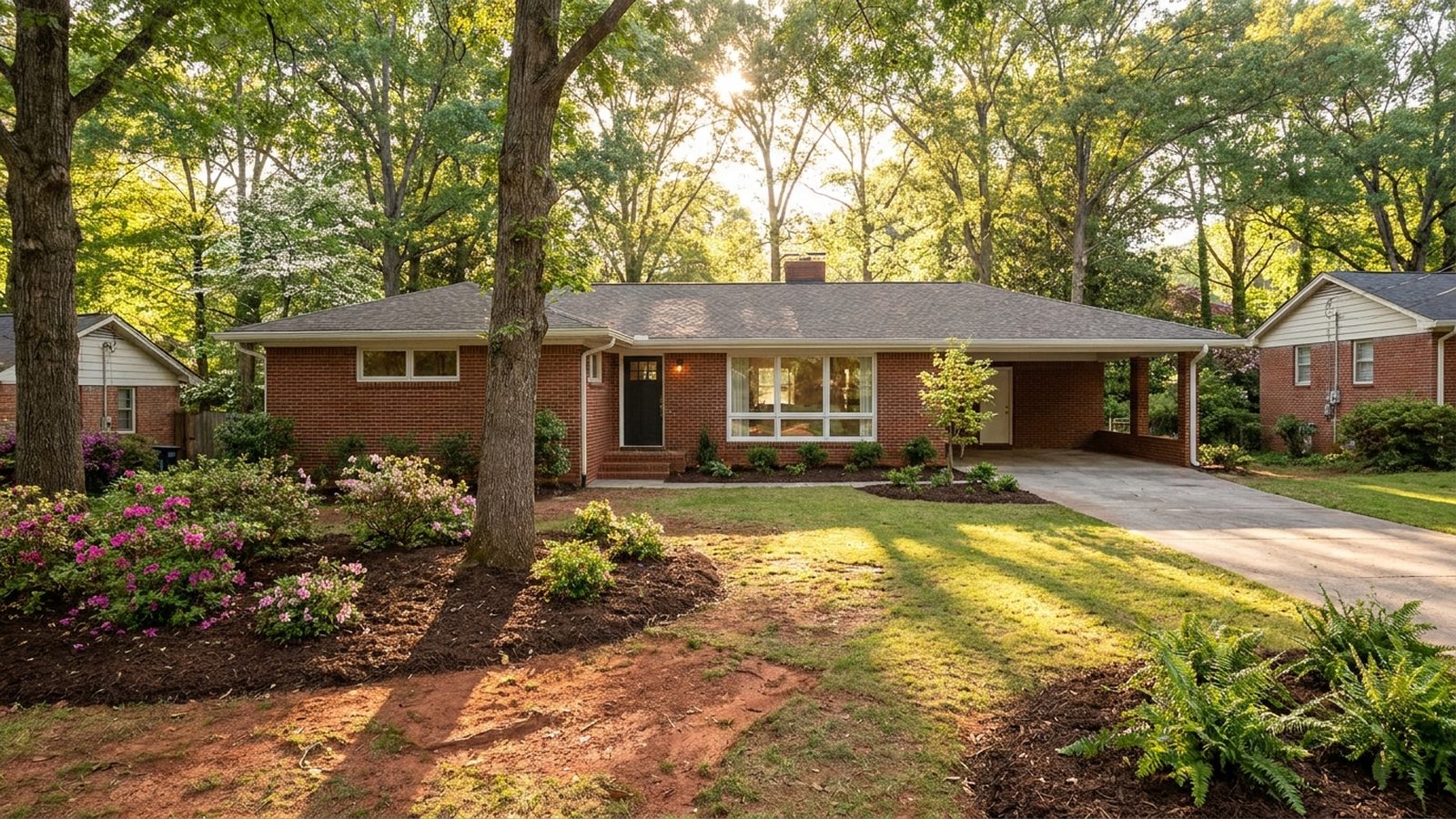
Selling a house in the Atlanta metro area can be a straightforward process if you know what to expect, but local market quirks and Georgia real estate laws mean that preparation is vital. Whether you are dealing with an inherited property in Fulton County or simply need to relocate quickly from a suburban neighborhood, understanding the differences between a traditional listing and a fast cash sale will help you make the best decision for your timeline and finances. The key takeaway is that by evaluating your home's condition, familiarizing yourself with local closing procedures, and knowing your buyer options, you can secure a fast, reliable sale without unnecessary stress.
The Atlanta Real Estate Landscape: Intown vs. Suburbs
Atlanta is a sprawling, diverse metro area, and the strategy for selling your home quickly will often depend on its location. Intown neighborhoods boast historic charm, mature tree canopies, and high walkability. However, homes in these areas often come with century-old infrastructure. If you own an older home in the city center, prospective buyers will be keenly interested in the state of your roof, HVAC system, and plumbing. Additionally, historic preservation rules in some intown districts can complicate renovations for traditional buyers, making an "as-is" cash sale highly appealing.
Conversely, the suburban ring—encompassing cities like Decatur, Marietta, Smyrna, College Park, and East Point—offers a mix of mid-century ranches and newer developments. In places like Smyrna or Marietta, traditional buyers often look for updated kitchens and move-in-ready conditions. Meanwhile, areas south of the city, such as College Park and East Point, have seen significant revitalization, attracting both traditional families and real estate investors looking for potential.
A major factor across the entire Atlanta region is the local geography. The famous Georgia red clay soil expands and contracts with changes in moisture, which can put significant stress on a home's foundation over the decades. Additionally, the humid southern climate makes crawlspace moisture a persistent issue. When preparing for a fast sale, knowing how your specific property fits into the broader Fulton County landscape—and anticipating the structural questions buyers will ask—is the first step toward a smooth transaction.
Listing vs. Cash Sale: Timelines for Selling Fast in Atlanta
Homeowners generally have two main paths when they want to sell quickly: a traditional market listing or a direct sale to an investor. Each route has distinct timelines and requirements that cater to different situations.
A traditional listing involves hiring a real estate agent, staging the home, hosting open houses, and waiting for a buyer who usually needs mortgage approval. Even in a strong market, this process takes time. You must also account for holding costs—such as continued utility payments, property taxes, and insurance—while waiting for the home to sell. Buyers must navigate the mortgage underwriting process, which involves appraisals, inspections, and financing contingencies. Federal guidelines heavily regulate the mortgage industry to protect buyers, and you can learn more about the steps buyers take to secure financing through the CFPB: Owning a Home portal. If the buyer's inspector finds issues—such as the aforementioned crawlspace moisture or foundation settling—they may demand costly repairs or back out of the deal entirely, completely resetting your timeline.
On the other hand, selling to cash home buyers in Atlanta offers a much faster, more predictable timeline. Cash buyers do not rely on traditional bank financing, which eliminates the risk of an appraisal falling short or a loan being denied at the last minute. Companies like USHomeBuyers.com purchase properties in their current "as-is" condition. This means you do not have to spend weeks interviewing contractors, pulling permits, or funding repairs out of pocket. For homeowners facing tight deadlines, avoiding the traditional listing preparation can be the difference between a stressful ordeal and a seamless transition. If you are curious about the speed of this process, our guide on How to Sell Your House in 7 Days: The Complete Guide breaks down the logistics of rapid closings.
Georgia Real Estate Law: Attorney Closings and Seller Disclosures
Unlike some states where title companies or escrow agents independently handle real estate closings, Georgia is an attorney-closing state. This means a licensed Georgia real estate attorney must oversee the closing process, conduct the title search, and facilitate the transfer of funds. The closing attorney technically represents the mortgage lender in a traditional financed sale, but in a cash transaction, they ensure the title is clear and the legal transfer is properly executed for all parties, providing peace of mind to both buyer and seller.
Furthermore, Georgia is commonly described as a "caveat emptor" (buyer beware) state. However, this does not mean sellers can actively conceal known defects. Standard Georgia real estate contract forms include comprehensive seller disclosure statements. Sellers are generally expected to disclose material defects that a buyer could not easily discover upon a reasonable inspection. Failing to disclose known issues—like chronic flooding in the basement or unpermitted structural work—can lead to post-sale legal disputes. Because laws and standard practices evolve, it is always recommended to consult with a licensed Georgia real estate attorney to understand your specific obligations.
Tax Benefits of Selling Your Home
Homeowners may exclude up to $250,000 of gain (or $500,000 if married filing jointly) on the sale of a main home if ownership and use tests—generally living in the home for 2 of the last 5 years—are met. Source: IRS Topic 701: Sale of your home.
Get a Cash Offer for Your Atlanta Home
No repairs, no fees, no hassle. Close in as little as 7 days.
Get My Free Offer →Costs, Numbers, and Tax Prorations in Fulton County
When calculating your potential proceeds from a sale, it is critical to account for all closing costs and tax obligations. In a traditional sale, sellers are typically responsible for real estate agent commissions, which consume a notable portion of the sale price. Additionally, sellers may be asked to cover a portion of the buyer's closing costs, pay for a home warranty, or fund mandatory repairs demanded after a professional inspection.
Property taxes are another major consideration. In Fulton County, property taxes are paid in arrears. When you sell your house, the property taxes for the current year will be prorated at closing. You will be responsible for the taxes covering the exact number of days you owned the home during that calendar year, and the buyer will be responsible for the remainder. The closing attorney will calculate this proration and deduct your portion from your sale proceeds. For specific details on state tax policies and potential liabilities, homeowners can consult the Georgia Department of Revenue.
If you are weighing the financial differences between a traditional sale and a direct cash sale, it helps to understand how investors calculate their offers. You can read more about this in our article detailing How Much Do Cash Home Buyers Pay? What to Expect in 2026. Furthermore, if you are selling an inherited property, there may be specific probate costs and steps involved; our resource on Selling an Inherited House in Birmingham, AL: Probate Guide offers insights into the probate process that, while focused on Alabama, shares many conceptual similarities with estate sales across the Southeast. For comprehensive federal tax reporting guidelines on selling a property, refer to IRS Publication 523: Selling Your Home.
What Cash Buyers Evaluate in Older Atlanta Homes
If you decide to skip the traditional market and sell directly to a cash buyer, you might wonder what these investors look for during their walkthrough. Cash buyers evaluate the fundamental structural integrity of the property to determine the cost of bringing it up to modern standards.
In Atlanta, several specific issues are common in older housing stock. First is plumbing. Many homes built in the mid-to-late 20th century were outfitted with polybutylene pipes, which are notorious for degrading and bursting unexpectedly, or older galvanized steel pipes that corrode from the inside out. Upgrading these plumbing systems is a significant expense that a cash buyer will factor into their evaluation.
Second, as mentioned earlier, the expansive red clay soil in Georgia frequently causes foundation settling. Buyers will look for telltale signs like stair-step cracks in brick exteriors, sloping floors, or doors that refuse to close properly. Finally, the humid southern climate makes proper crawlspace ventilation critical. Excess moisture can lead to wood rot, compromised floor joists, and mold. By purchasing the home "as-is," cash buyers take on the financial risk and the logistical headache of fixing these common Atlanta property issues.
Step-by-Step Plan to Sell Your House Fast
Achieving a fast sale requires organization and realistic expectations. The first step is to assess your timeline and the current condition of your property. If your home needs significant repairs and you do not have the time or capital to manage contractors, a cash sale is likely your most efficient route.
Next, gather all necessary documentation. This includes your mortgage payoff information, any recent tax bills, homeowners association (HOA) documents if applicable, and records of any major repairs or warranties. Having these documents ready will expedite the attorney's title work and the overall closing process.
If you choose the traditional route, you will need to interview real estate agents, declutter, deep clean, and prepare for showings. If you opt for a cash buyer like USHomeBuyers.com, the process is streamlined: you request an offer, schedule a brief walkthrough, review the cash offer, and choose your closing date without worrying about staging, open houses, or surprise repair demands.
Checklist for a Fast Atlanta Home Sale
- Assess the Property: Honestly evaluate your home's condition, noting any foundation, plumbing, or roof issues.
- Gather Documents: Locate your deed, recent property tax statements, mortgage payoff details, and HOA rules.
- Determine Your Timeline: Decide if you have the months required for a traditional listing or if you need a rapid cash closing.
- Consult Professionals: Speak with a Georgia real estate attorney regarding closing procedures and seller disclosures.
- Compare Options: Weigh the net proceeds of an "as-is" cash offer against the costs of repairing and listing the home.
What to Watch Out For When Selling Quickly
The desire to sell quickly can sometimes make homeowners vulnerable to bad actors or poorly structured deals. It is crucial to remain vigilant. Beware of buyers who apply extreme pressure to sign a contract immediately without giving you time to review the terms. A reputable buyer will encourage you to have a legal professional review the agreement before you commit.
Additionally, watch out for "buyers" who tie up your property with a contract only to try and assign it to someone else for a higher price, often pulling out at the last minute if they cannot find an end buyer. Always verify that the cash buyer has the actual funds to close. You can ask for proof of funds before signing any binding agreements. For general consumer protection advice and resources on avoiding scams in the state, homeowners can visit the Georgia Governor's Office of Consumer Protection.
Conclusion: Your Next Steps in Atlanta
Selling your house fast in Atlanta, GA, is entirely possible when you understand the local market dynamics, the specifics of Georgia real estate law, and the true condition of your property. Whether your home is a historic bungalow intown or a sprawling ranch in the suburbs, you have options. Traditional listings work well for move-in-ready homes when time is not a constraint, but for properties needing work or homeowners facing strict deadlines, a direct cash sale provides certainty and speed. If you are ready to explore a hassle-free alternative, you can request a no-obligation cash offer from USHomeBuyers.com and take the first step toward your next chapter.
This article is general information, not legal, tax or financial advice. Rules change, so confirm details with a licensed professional in Georgia.
Frequently Asked Questions
Do I need an attorney to sell my house in Atlanta?
Yes. Georgia is an attorney-closing state, meaning a licensed real estate attorney must oversee the closing process, conduct the title search, and handle the legal transfer of funds and property, even in an all-cash transaction.
Do I have to fix my home's foundation or plumbing before selling?
If you list traditionally, buyers may demand repairs for common Atlanta issues like foundation settling or old polybutylene plumbing. However, selling to a cash buyer allows you to sell the property "as-is," meaning they assume the responsibility and cost of all repairs.
How are property taxes handled when selling a house in Fulton County?
Property taxes in Fulton County are prorated at closing. You are only responsible for the taxes covering the exact number of days you owned the property during the year. The closing attorney will calculate this and deduct your portion from the sale proceeds.
Is Georgia a "buyer beware" state for real estate?
Georgia is generally considered a caveat emptor state, but sellers cannot actively conceal known material defects. Standard real estate contracts include seller disclosure forms. It is highly recommended to consult a real estate attorney to understand your specific legal disclosure obligations.
Sources & Further Reading
- CFPB: Owning a Home
- IRS Topic 701: Sale of your home
- Georgia.gov (state portal)
- Georgia Governor's Office of Consumer Protection
- Georgia Department of Revenue