
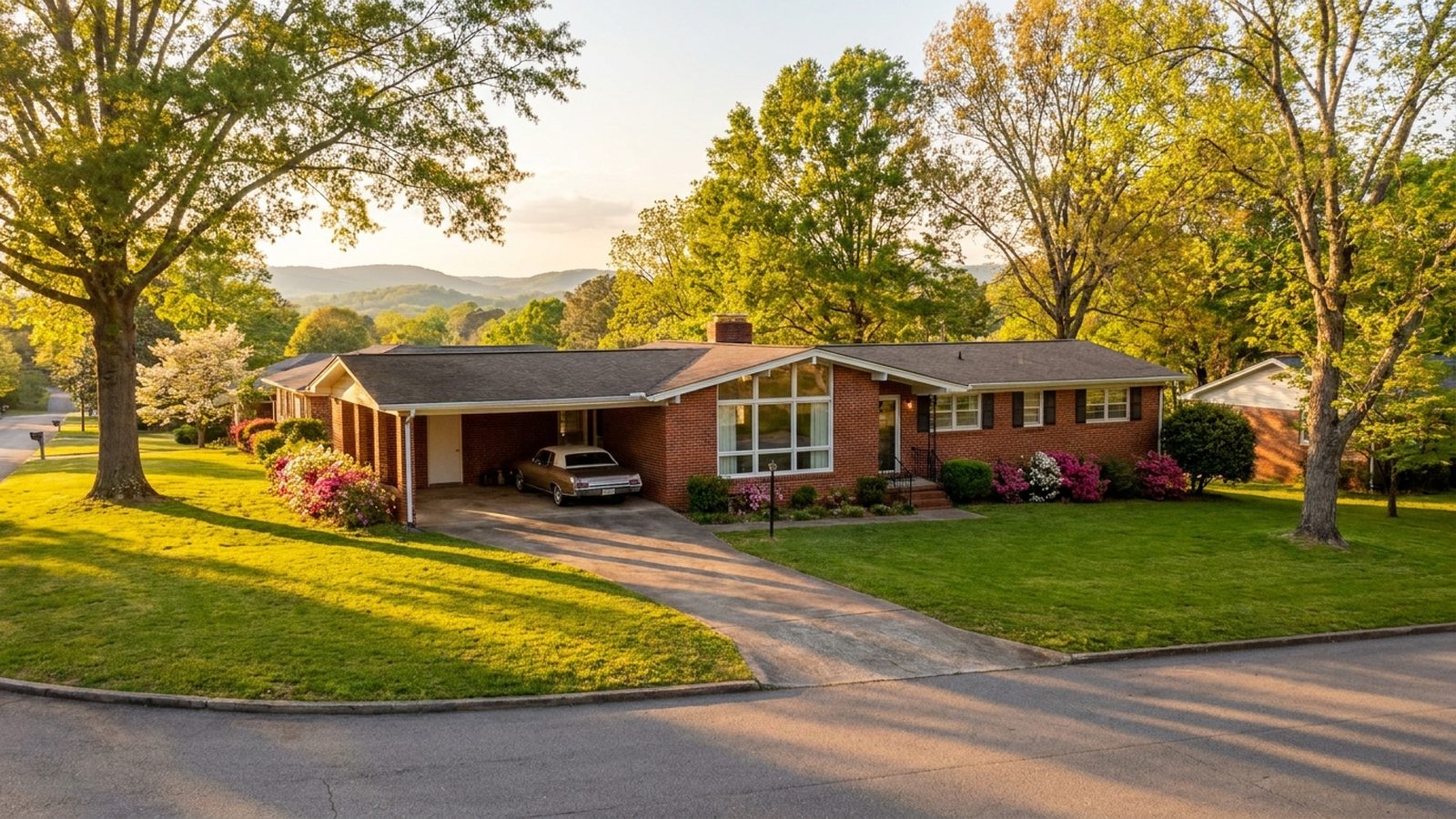
Selling a house in Huntsville, Alabama, presents a unique set of opportunities and challenges. Known as the Rocket City, Huntsville has experienced significant economic growth, drawing new residents from across the country. However, whether you are dealing with an inherited property, facing a sudden job relocation, or simply looking to downsize without the hassle of repairs, you need a solid strategy. Understanding the local market dynamics, Alabama's specific real estate laws, and the fundamental differences between listing your home traditionally and accepting a cash offer will empower you to make the best decision for your timeline and financial goals.
The Huntsville Real Estate Landscape: Growth and Neighborhoods
Huntsville's economy is heavily anchored by the aerospace and defense industries. With major employers at Redstone Arsenal, Cummings Research Park, and various federal agencies driving job growth, the demand for housing in Madison County remains robust. You can learn more about the city's infrastructure and community initiatives on the official City of Huntsville website. This influx of professionals creates a dynamic real estate environment, but buyer expectations can vary drastically depending on where your property is located.
In historic areas like Five Points, buyers are often drawn to the charm of older bungalows and craftsman-style homes. However, these century-old houses frequently require significant plumbing, electrical, and structural updates. If your Five Points home needs extensive modernization, traditional buyers may struggle to secure financing, making a cash sale an attractive alternative.
Madison and Monrovia offer suburban appeal with excellent schools, attracting families who typically look for move-in-ready properties. Homes in these areas that require cosmetic updates or roof replacements may sit on the market longer as busy families prioritize turnkey houses. Meanwhile, upscale communities like Hampton Cove demand pristine condition and high-end finishes to attract top-tier buyers.
In South Huntsville, you will find well-established neighborhoods with solid mid-century construction. Many of these homes are ripe for renovation. Depending on your willingness to manage contractors and endure a lengthy preparation process, you must decide whether to invest in modernizing a South Huntsville property or sell it in its current condition.
Cash Buyer vs. Traditional Listing in Madison County
When it is time to sell, Huntsville homeowners generally have two main paths: listing with a real estate agent or selling directly to a cash buyer. Each route serves a different purpose, and the right choice depends entirely on your property's condition and your personal timeline.
A traditional listing is often the preferred route for homeowners with properties in pristine, updated condition who are not in a rush to move. When you list a home, you gain access to the widest pool of retail buyers. However, this method requires time and upfront capital. You will likely need to invest in staging, professional photography, and minor repairs to maximize your curb appeal. Once listed, you must accommodate showings and open houses. Furthermore, traditional sales are contingent on buyer financing. If a buyer's mortgage application is delayed or denied, or if the home appraises for less than the agreed-upon price, the deal can fall through, putting you back at square one.
Conversely, selling to a cash buyer offers certainty and speed. Companies like USHomeBuyers.com purchase properties strictly as-is. This means you do not have to repair a sagging roof, fix foundation cracks, or even clean out the garage. Cash buyers do not rely on bank financing, which eliminates the risk of appraisal issues or loan denials. If you value a guaranteed closing date over testing the open market, or if your property requires more work than you can afford, exploring cash home buyers in Huntsville is a practical next step. USHomeBuyers.com can often close in a matter of days, providing a seamless exit strategy for homeowners in a bind.
Alabama Disclosure Rules: What Sellers Need to Know
One of the most critical aspects of selling property in Alabama is understanding the state's approach to real estate disclosures. Alabama is generally known as a "caveat emptor" or "buyer beware" state. In a broad sense, this places the burden of discovering property defects squarely on the buyer. Buyers are expected to conduct their own thorough inspections and due diligence before finalizing a purchase.
However, caveat emptor does not give sellers a free pass to act deceptively. There are important exceptions to this rule. For instance, sellers cannot actively conceal known defects, nor can they commit fraud by lying in response to a buyer's direct question. Additionally, if the seller knows of a defect that poses a direct threat to health or safety—such as severe structural failure or hidden environmental hazards—they may have a legal duty to disclose it.
Because the legal nuances of caveat emptor and its exceptions can be complex, sellers should never make assumptions about what they can withhold. It is highly recommended that you consult with a licensed Alabama real estate attorney or a qualified real estate professional to understand your specific disclosure obligations. Being transparent upfront can prevent costly legal disputes after the sale closes.
Get a Cash Offer for Your Huntsville Home
No repairs, no fees, no hassle. Close in as little as 7 days.
Get My Free Offer →Step-by-Step Timeline to Sell Your Huntsville House Fast
Navigating a home sale requires a clear understanding of the process. Whether you choose to list your home or sell for cash, knowing the typical timeline will help you prepare. If you are looking for an accelerated timeline, you might find our guide on How to Sell Your House in 7 Days: The Complete Guide helpful.
Step 1: Property Assessment
Begin by objectively evaluating your home's condition. Note any major repairs needed, such as roof damage, HVAC issues, or outdated plumbing. This assessment will dictate whether a traditional listing or an as-is cash sale makes more sense.
Step 2: Choose Your Selling Strategy
Decide between hiring a real estate agent and preparing the home for the retail market, or requesting an offer from a direct cash buyer like USHomeBuyers.com. If you list, factor in the time needed for repairs, staging, and marketing.
Step 3: Review Offers and Negotiate
If you list traditionally, you will review offers from potential buyers, paying close attention to contingencies (financing, inspection, appraisal). With a direct cash buyer, you will receive a straightforward offer without these complex contingencies, simplifying the decision-making process.
Step 4: Inspections and Due Diligence
Traditional buyers will hire an inspector. Depending on the findings, they may request that you complete repairs or lower the purchase price before moving forward. Cash buyers typically assess the property themselves and factor the necessary repairs into their initial offer, skipping the formal renegotiation phase.
Step 5: Closing the Sale
In Alabama, real estate closings are generally handled by attorneys or title companies rather than standalone escrow agencies. The attorney will perform a title search, prepare the deed, and facilitate the transfer of funds. A traditional closing can take several weeks while the buyer's lender finalizes the mortgage. A cash transaction can often close as soon as the closing attorney clears the title, sometimes in just a few days.
Costs, Numbers, and Tax Considerations for Alabama Sellers
Selling a house involves various expenses that will impact your final net proceeds. If you are selling traditionally, you must account for real estate agent commissions, which are typically split between the buyer's and seller's agents. You will also be responsible for certain closing costs. These may include title insurance policies, attorney fees for drafting the deed and facilitating the closing, and prorated property taxes up to the day of sale. For a comprehensive overview of how closing costs and mortgages work, the Consumer Financial Protection Bureau provides excellent resources on Owning a Home.
Taxes are another crucial consideration. Depending on how long you have owned and lived in the home, you may be subject to capital gains taxes. The IRS outlines general capital gain and loss rules for property sales under IRS Topic 409. However, many primary homeowners benefit from a significant tax exclusion.
Tax Exclusions on Home Sales
Homeowners may exclude up to $250,000 of gain ($500,000 married filing jointly) on the sale of a main home if ownership and use tests (generally 2 of the last 5 years) are met. Source: IRS Topic 701
If you are selling a house you did not purchase yourself, such as one left to you by a deceased relative, the tax implications and legal processes differ significantly. Inherited properties often involve a step-up in tax basis, which can minimize capital gains. For more detailed information on navigating this specific scenario, read our resource on Selling an Inherited House in Birmingham, AL: Probate Guide, which covers principles applicable throughout Alabama.
What to Watch Out For: Storm Damage and Soil Quirks
Huntsville's geographic location means homeowners must be mindful of the local climate and environment. Alabama is prone to severe weather, particularly during the spring and fall tornado seasons. High winds, hail, and heavy rains can wreak havoc on roofs, siding, and outbuildings. If your home has sustained storm damage, traditional buyers will almost certainly flag these issues during the inspection period, often demanding a full roof replacement before closing.
Additionally, the red clay soil prevalent in Madison County is highly expansive. It swells when wet and shrinks during dry spells. Over time, this constant movement exerts immense pressure on concrete foundations, leading to settling, cracking, and structural shifts. Foundation repairs are notoriously expensive and are a common deal-breaker for retail buyers relying on bank financing. If your home exhibits signs of structural distress, selling to a cash buyer who specializes in taking on heavy repairs might be the most practical solution.
Property Assessment Checklist for Huntsville Sellers
- Inspect your roof for missing shingles, leaks, or hail damage following tornado season.
- Examine your foundation, basement, or crawlspace for significant cracks or moisture intrusion caused by shifting clay soils.
- Gather all documentation and warranties for recent HVAC, plumbing, or electrical repairs.
- Check your property lines and ensure fences or sheds comply with local Madison County zoning regulations.
- Consult with a local title company or real estate attorney to verify your deed is clear of unexpected liens or encumbrances.
Relocating from Huntsville? Next Steps for a Seamless Transition
Huntsville is a transient city, with many residents moving in and out for military assignments at Redstone Arsenal or corporate roles in the aerospace sector. If you are facing a sudden job transfer, managing a long-distance home sale can be incredibly stressful. Coordinating repairs, staging, and showings while trying to settle into a new state is a heavy burden. If you find yourself in this situation, check out our guide: Relocating for Work? How to Sell Your Home Fast in 2025.
When time is of the essence, a cash sale offers unparalleled convenience. You can bypass the unpredictable retail market, leave unwanted items behind, and schedule a closing date that perfectly aligns with your moving truck. If you are ready to explore a hassle-free alternative to traditional listing, request a no-obligation cash offer from USHomeBuyers.com today and discover how simple selling your Huntsville home can be.
This article is general information, not legal, tax or financial advice. Rules change, so confirm details with a licensed professional in Alabama.
Frequently Asked Questions
Do I have to fix my roof before selling my house in Huntsville?
It depends on how you sell. Traditional buyers using mortgage financing often require a roof to be in good condition to pass inspections and secure their loan. If you sell to a cash buyer, you can typically sell the property as-is without making any roof repairs.
How long does it take to close on a house in Alabama?
A traditional sale involving a buyer with a mortgage generally takes several weeks to a few months due to financing, appraisal, and inspection contingencies. Cash sales bypass lender requirements and can often close in a matter of days once the title is cleared by a local attorney or title company.
What does caveat emptor mean for Huntsville home sellers?
Alabama is a caveat emptor or buyer beware state. This generally means the buyer is responsible for discovering property defects. However, sellers cannot commit fraud or actively hide known health and safety hazards. You should consult an Alabama real estate attorney to understand your specific disclosure obligations.
Can I sell my Huntsville house if I am relocating out of state next month?
Yes. If you are on a tight timeline due to a job relocation, a cash buyer can provide a fast, predictable closing that aligns with your moving schedule, allowing you to avoid the uncertainties and delays often associated with listing a house on the traditional market.
Sources & Further Reading
- City of Huntsville
- CFPB: Owning a Home
- IRS Topic 701: Sale of your home
- IRS Topic 409: Capital gains and losses
- Alabama Judicial System