
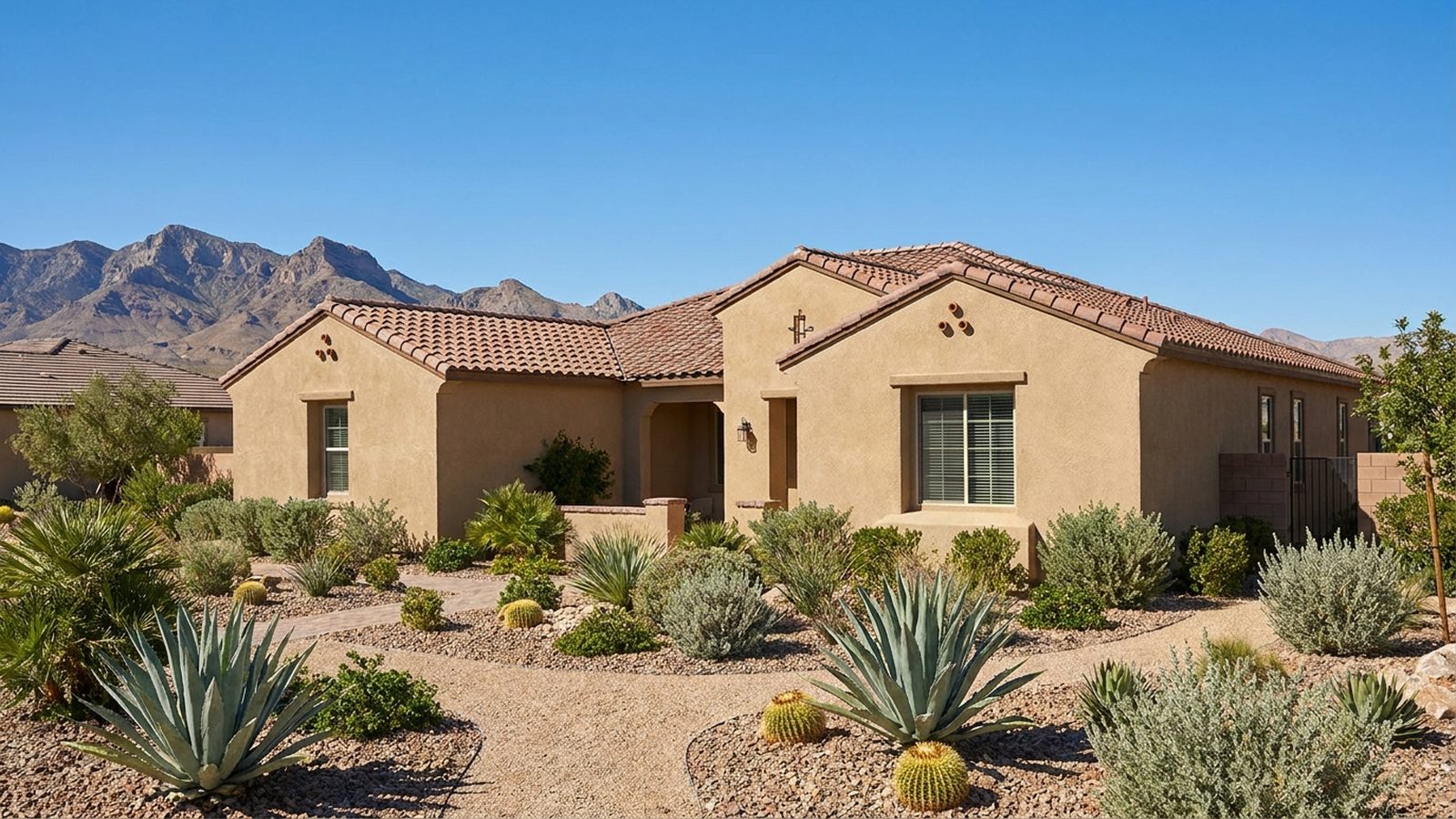
Selling a house in the Las Vegas Valley can feel overwhelming, especially when you are balancing timelines, repair costs, and local regulations. Whether you are managing an inherited property in North Las Vegas, dealing with a rigid homeowners association in Summerlin, or simply looking to relocate quickly from Spring Valley, understanding your options is the first step toward a successful transaction. The Clark County real estate market moves at its own pace, influenced by unique desert conditions and specific state laws. This guide breaks down the differences between a traditional listing and a cash offer, highlights essential Nevada disclosure laws, and outlines the closing process so you can navigate your home sale with confidence.
Selling Fast in Las Vegas: Cash Offer vs. Traditional Listing
When it is time to sell your property, you generally have two primary paths: listing the home on the open market with a real estate agent or accepting a direct offer from an investor. Both methods have distinct advantages depending on your goals, timeline, and the current condition of your house.
A traditional listing is often the default choice for homeowners whose properties are in pristine, move-in-ready condition. This route involves hiring a real estate agent, staging the home, arranging for professional photography, and hosting open houses. While this method can sometimes attract retail buyers willing to pay top dollar, it also requires patience. You must wait for the right buyer, navigate financing contingencies, and often negotiate repair requests after the buyer's home inspection. If the buyer's mortgage falls through at the last minute, you may find yourself back at square one.
Conversely, requesting a cash offer provides a streamlined, predictable alternative. Cash buyers, including companies like USHomeBuyers.com, purchase properties in their current condition. This means you do not have to spend time or money fixing leaky roofs, updating outdated kitchens, or repairing failing air conditioning units. Because cash transactions bypass traditional bank financing, the closing process is significantly faster and less prone to falling apart. If you need speed and certainty, exploring cash home buyers in Las Vegas is a highly viable alternative. For a broader look at expedited timelines and what to expect when bypassing the traditional market, read our guide on How to Sell Your House in 7 Days: The Complete Guide.
Handling Desert Climate Wear and Tear Before You Sell
The Las Vegas environment is notoriously harsh on residential construction. With over three hundred days of intense sunshine and extreme summer temperatures, homes in the valley experience specific types of wear and tear that out-of-state buyers might not anticipate. If you plan to list your home traditionally, you must be prepared to address these desert-specific maintenance issues, as they will almost certainly be flagged during a home inspection.
First and foremost is the HVAC system. In Southern Nevada, air conditioners run constantly for more than half the year. Systems that are aging or improperly maintained can become a major sticking point in negotiations. Buyers expect a fully functional, efficient cooling system. Similarly, the intense UV rays degrade roofing materials over time. While the concrete or clay tiles common in neighborhoods like Centennial Hills and Summerlin can last for decades, the felt underlayment beneath them eventually dries out and cracks, leading to leaks during the brief but intense monsoon season.
Stucco exteriors are another area of concern. The hard, caliche-rich soil in the Las Vegas Valley can cause foundation settling, which in turn leads to cracking in the exterior stucco. Furthermore, the extreme temperature fluctuations between scorching days and cooler nights cause materials to expand and contract, exacerbating these cracks. Finally, if your property features a swimming pool, the equipment is constantly baking in the sun. PVC pipes become brittle, and the area's hard water causes calcium buildup on pool tiles and inside pumps.
Addressing these issues requires coordinating with multiple contractors, which can be stressful and expensive. Selling to a cash buyer eliminates this burden, as the offer will factor in the current condition of the home, allowing you to walk away without swinging a hammer.
Checking Your Las Vegas Home for Desert Wear
- HVAC Systems: Inspect filters, ductwork, and the exterior compressor unit for dust buildup and wear from continuous summer use.
- Roof Underlayment: Have a professional check the protective barrier beneath your concrete or clay roof tiles for sun-baked deterioration.
- Stucco Exteriors: Walk the perimeter of your home to look for hairline cracks or significant separation caused by thermal expansion and soil settling.
- Pool Equipment: Examine exposed PVC plumbing for sun damage and check the pump for hard-water calcium scaling.
- Window Seals: Check dual-pane windows for fogginess, which indicates the seal has failed due to extreme heat.
Nevada Seller Disclosures and HOA Resale Packages
Transparency is a legal requirement when selling real estate in Nevada. The state mandates that sellers provide potential buyers with specific disclosures regarding the property's condition, ensuring that all known defects are brought to light before the transaction is finalized. Failing to disclose known issues can lead to severe legal and financial repercussions down the road.
Nevada Seller Disclosure Requirements
Under state law, NRS Chapter 113 covers seller disclosure of known defects in Nevada residential sales, ensuring buyers are informed about the property's condition prior to closing.
In addition to the standard property condition disclosures, Las Vegas sellers must also navigate the complexities of homeowners associations (HOAs). The Las Vegas Valley is famous for its extensive master-planned communities, meaning there is a very high probability your home is governed by an HOA. Under Nevada law, specifically NRS Chapter 116, sellers are required to provide a comprehensive resale package to the buyer. This package includes the community's governing documents, bylaws, recent financial statements, and a certificate detailing any pending assessments, unpaid dues, or outstanding violations tied to the property.
Ordering and reviewing the HOA resale package is a critical step in the escrow process. If your property has unresolved architectural violations or past-due assessments, these must be settled before or during closing. Dealing with a strict or unresponsive HOA board can complicate and delay your sale. For insights into overcoming these specific hurdles, review our article on HOA Problems? How to Sell Your Home When the Association is Difficult. Additionally, if you own property in neighboring municipalities, you might find our related guide on Selling a Henderson, NV House With HOA Fees and Liens particularly helpful.
Get a Cash Offer for Your Las Vegas Home
No repairs, no fees, no hassle. Close in as little as 7 days.
Get My Free Offer →Step-by-Step Timeline for a Las Vegas Home Sale
Understanding the sequence of events in a real estate transaction can help alleviate anxiety and ensure you are prepared for each milestone. Nevada is an escrow state, meaning that rather than sitting around a table with attorneys to close the deal, a neutral third-party escrow officer and a title company facilitate the transaction. Here is a general timeline of what to expect when selling your home in Clark County.
Step 1: Preparation and Strategy. This initial phase involves deciding whether to list traditionally or seek a cash offer. If listing, this is when you declutter, complete minor repairs, and hire an agent. If selling for cash, this is when you contact an investor for a property walkthrough and an initial offer.
Step 2: Reaching an Agreement. Once you select a buyer, you will sign a purchase agreement. This legally binding document outlines the sale price, closing date, and any contingencies (such as financing or inspection clauses). For traditional sales, the buyer will deposit earnest money into an escrow account.
Step 3: Disclosures and HOA Documents. As the seller, you will complete the required Nevada disclosure forms. Simultaneously, the escrow company or your agent will order the HOA resale package. It is crucial to request this package early, as management companies require time to compile the documents.
Step 4: Inspections, Appraisals, and Title Search. Traditional buyers will hire an inspector to scrutinize the home's condition and an appraiser to satisfy their lender's requirements. Meanwhile, the title company will pull a preliminary title report to ensure there are no hidden liens, such as unpaid municipal fines or mechanics liens, clouding your ownership. You can learn more about the intricacies of title searches and closing processes through federal resources like the CFPB's Owning a Home guide.
Step 5: Closing and Recording. Once all contingencies are met and the buyer's funds are wired to the escrow company, both parties sign the final closing documents. The escrow officer then submits the new deed to the Clark County Recorder's Office. Once the deed is officially recorded, the sale is complete, and the proceeds are disbursed to you.
Costs and Numbers to Consider When Selling in Clark County
Selling a house is not free; there are various costs associated with transferring ownership that will be deducted from your final proceeds. If you choose the traditional route, the most significant expense is typically the real estate agent commissions, which compensate both your listing agent and the buyer's agent. You must also account for closing costs, which generally include escrow fees, title insurance policies, and recording fees.
In Clark County, it is customary for the buyer and seller to negotiate who pays for specific title policies, though these arrangements are flexible. You will also be responsible for the real property transfer tax, a municipal and state tax levied on the transfer of real estate. Additionally, if you live in a managed community, expect to pay HOA transfer fees and the cost of generating the resale package.
When calculating your net proceeds, you must also consider the tax implications of your sale. Fortunately, the federal government provides a substantial tax break for primary residences. According to the IRS Topic 701: Sale of your home, homeowners may exclude up to $250,000 of capital gain (or up to $500,000 if married filing jointly) on the sale of a main home, provided they meet specific ownership and use tests—generally having owned and lived in the home for at least two of the last five years before the sale.
What to Watch Out For: Investor-Owned and Inherited Homes
The Las Vegas market features a high concentration of investor-owned rental properties and second homes. If you are selling a tenant-occupied property in areas like North Las Vegas or Spring Valley, you must navigate the sale carefully to respect lease agreements and local tenant rights. Coordinating showings with uncooperative tenants can be exceptionally difficult, making a direct sale to an investor who is willing to take over the existing lease an attractive option.
Inherited properties present their own set of challenges. Families often inherit homes while living out of state, turning property management into a stressful, long-distance burden. Vacant homes in the desert can deteriorate rapidly; a small leak can go unnoticed for weeks, or a broken air conditioner can cause interior temperatures to soar, damaging fixtures and finishes. Furthermore, navigating the Nevada probate process requires time and legal assistance.
Selling an inherited or distressed property to a cash buyer like USHomeBuyers.com can significantly simplify the process. A cash transaction eliminates the need to travel back and forth to manage contractors, clear out decades of accumulated belongings, or wait for the probate court's timeline to magically align with a traditional retail buyer's strict mortgage rate lock.
Conclusion: Your Next Steps in the Las Vegas Valley
Selling a house in Las Vegas does not have to be an exhausting ordeal. By understanding the differences between cash offers and traditional listings, preparing for desert-specific maintenance issues, and familiarizing yourself with Nevada's disclosure and HOA laws, you can approach the market with clarity. Whether you choose to list your home on the open market to chase retail value or opt for the speed and convenience of a direct sale, knowing your options empowers you to make the best financial decision for your family.
If you want to skip the expensive repairs, the endless showings, and the uncertainty of buyer financing, we are here to help. You can request a no-obligation cash offer from USHomeBuyers.com. We purchase properties throughout Clark County in any condition, allowing you to close on your schedule and move forward with peace of mind.
This article is general information, not legal, tax or financial advice. Rules change, so confirm details with a licensed professional in Nevada.
Frequently Asked Questions
Do I have to fix my air conditioner before selling my Las Vegas home?
If you list traditionally, buyers usually request HVAC repairs if the system is failing, given the extreme desert heat. If you sell to a cash buyer, you can sell the property as-is without repairing or replacing the air conditioning unit.
How long does it take to get an HOA resale package in Clark County?
The timeline varies by the specific homeowners association and their management company. By Nevada law, associations have a set timeframe to provide these documents once requested, but it is best to order the resale package early in the escrow process to avoid closing delays.
Who pays for title insurance and escrow fees in Las Vegas?
Closing costs, including title insurance and escrow fees, are fully negotiable between the buyer and seller. In many Clark County transactions, these costs are split, or the seller pays for the owner's title policy while the buyer pays for their lender's policy.
Can I sell a home in Nevada without completing a seller disclosure form?
Generally, no. Nevada law requires sellers of residential property to complete a disclosure form detailing known defects. There are a few narrow exemptions, such as certain foreclosure sales or transfers between close family members, but most standard and cash sales require full disclosure.
Sources & Further Reading
- IRS Topic 701: Sale of your home
- CFPB: Owning a Home
- Nevada Revised Statutes Chapter 113 (sales of real property; seller disclosures)
- Nevada Revised Statutes Chapter 116 (common-interest communities)
- Nevada Real Estate Division