
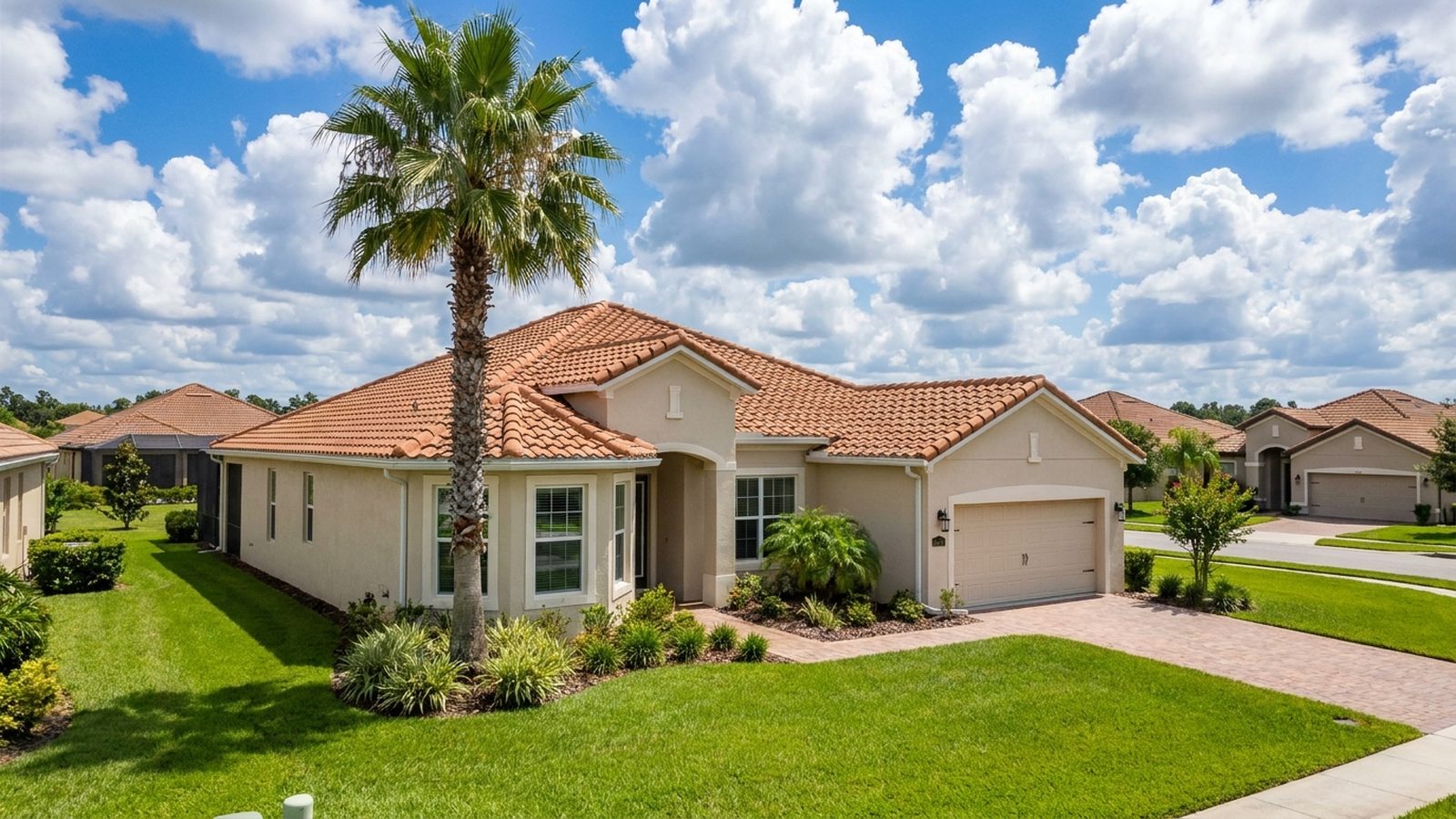
Selling a house in Orlando, Florida, can be a complex and time-consuming process, especially if you need to move quickly, manage an inherited property, or offload a burdensome rental. For homeowners weighing their options, understanding how cash buyers operate in Orange County is the first step toward a smooth, predictable sale. Whether you own a historic property in Winter Park or a newer build in Lake Nona, the local real estate market presents unique challenges and opportunities.
While listing a home on the open market is the traditional route, it requires time, upfront capital for repairs, and patience for buyer financing approvals. Alternatively, working with cash home buyers in Orlando offers a streamlined path that bypasses many of these hurdles. This guide explores the mechanics of a cash sale in Central Florida, the specific disclosures required by state law, and how to determine the best strategy for your unique situation.
The Orlando Housing Landscape: Why Consider a Cash Sale?
Orange County is a diverse and rapidly changing region. The housing stock varies wildly from neighborhood to neighborhood. You will find older, mid-century block homes in areas like Pine Hills, sprawling suburban developments in Oviedo, and short-term vacation rentals dominating the landscape in Kissimmee. Each of these property types comes with its own set of maintenance requirements and potential buyer pools.
Many homeowners turn to cash buyers when their property requires significant repairs that traditional retail buyers are unwilling to take on. Florida's harsh climate—intense sun, heavy summer rains, and high humidity—can take a toll on roofs, HVAC systems, and stucco exteriors. If a home has an older roof or outdated plumbing, traditional buyers may struggle to secure financing or homeowners insurance, as carriers in Florida have become increasingly strict about the condition of the homes they cover.
Furthermore, seasonal factors play a massive role in the Orlando market. The influx of snowbirds during the winter months and the constant churn of the tourism industry create a robust market for rental properties. However, managing these rentals can become exhausting for out-of-state owners or tired landlords. When it is time to exit the market, selling a tenant-occupied or distressed property on the traditional market can be incredibly difficult. Cash buyers specialize in purchasing properties as-is, meaning the seller does not need to worry about staging the home, evicting difficult tenants, or making costly repairs before closing. For local resources and property guidelines, homeowners can consult the City of Orlando official website.
Cash vs. Traditional Listing Trade-Offs in Orange County
Choosing between a traditional listing and a cash sale requires an honest assessment of your priorities: time, convenience, and the final net proceeds. A traditional listing typically exposes your property to the largest pool of potential buyers, which can sometimes result in a higher gross sale price. However, this route comes with significant holding costs. You must continue paying the mortgage, property taxes, utilities, and insurance while the home sits on the market. Additionally, traditional sales involve real estate agent commissions, staging costs, and the inevitable back-and-forth of repair negotiations after the buyer's inspection.
Another major factor in Florida is hurricane season, which runs from June through November. If a named storm approaches the state, insurance companies often issue binding suspensions, meaning no new policies can be written until the storm passes. This can abruptly halt traditional mortgage closings, leaving sellers in limbo. You can find more information on storm preparedness at Ready.gov: Hurricanes. Cash sales, on the other hand, do not rely on mortgage underwriting or immediate insurance binding for closing, making them far more resilient to weather-related delays.
A cash sale prioritizes speed and certainty. The buyer takes on the risk of repairs and market fluctuations, offering you a firm price and a flexible closing date. While the cash offer may be lower than the theoretical top-of-market retail price, the net amount you walk away with can be highly competitive once you factor in the money saved on commissions, closing costs, and holding expenses. To learn more about navigating these options, read How to Sell a House Fast in Florida: A 2026 Homeowner's Guide.
Step-by-Step: How to Sell a House Fast in Orlando to a Cash Buyer
If you decide that a cash sale is the right path, it helps to understand the timeline and mechanics of the process. Unlike a traditional sale, which involves multiple showings and lengthy financing contingencies, a cash transaction is straightforward and transparent. Here is how the process generally unfolds when working with a reputable cash buyer in Florida.
1. Initial Outreach and Property Details
The process begins when you contact a cash buyer and provide basic details about your Orlando property. You will discuss the home's location, its current condition, the age of major systems like the roof and HVAC, and your reason for selling. This initial conversation allows the buyer to run preliminary real estate comps in your specific Orange County neighborhood.
2. The On-Site Walkthrough
If the property meets the buyer's criteria, they will schedule an on-site visit. Unlike a formal appraisal or a nitpicky retail inspection, this walkthrough is usually brief. The buyer assesses the structural integrity of the home and estimates the cost of necessary renovations. You do not need to clean, stage, or repair anything prior to this visit.
3. Reviewing the Cash Offer and Proof of Funds
Following the walkthrough, the buyer will present a formal, no-obligation cash offer. This is the time to ask for "proof of funds." Proof of funds is documentation—such as a recent bank statement or a letter from a financial institution—proving the buyer has the liquid capital available to purchase the home outright. A pre-approval letter from a mortgage lender is not proof of funds; it merely indicates a buyer might qualify for a loan.
4. Executing the Contract and Required Disclosures
Once you accept the offer, you will sign a purchase agreement. Even in an as-is cash sale, Florida law requires sellers to make certain disclosures about the property's condition.
Florida Flood Disclosure Requirement
Under Florida law, a seller of residential real property must complete and provide a flood disclosure to the purchaser at or before the time the sales contract is executed; it asks whether the seller has knowledge of flooding that damaged the property and whether the seller filed a flood-damage insurance claim. Source: Florida Statutes 689.302
5. Title Company Processing and Closing
In Florida, real estate closings are typically handled by a licensed title company or a real estate attorney. The title company will hold the buyer's earnest money in escrow, conduct a thorough title search to ensure there are no hidden liens or encumbrances, and prepare the final closing documents. Once the title is cleared, you sign the paperwork, and the funds are wired directly to your bank account. For a deeper dive into this timeline, review Cash Home Buyers in Florida: How the Process Really Works.
Get a Cash Offer for Your Orlando Home
No repairs, no fees, no hassle. Close in as little as 7 days.
Get My Free Offer →Navigating Costs, Numbers, and Tax Implications
One of the most appealing aspects of a cash sale is the reduction in out-of-pocket expenses. In a traditional sale, sellers typically pay a percentage of the sale price in real estate agent commissions, along with various closing costs, title insurance policies, and potential buyer concessions. Many cash buyers, including USHomeBuyers.com, structure their offers to cover the standard closing costs, meaning the offer price is much closer to the actual amount you will net at closing.
However, sellers are still responsible for clearing their own debts. You must pay off your existing mortgage balance, any home equity lines of credit (HELOCs), and any liens against the property (such as unpaid HOA dues or municipal utility liens). Additionally, property taxes in Orange County are paid in arrears, meaning you will be responsible for a prorated portion of the year's property taxes up to the exact day of closing. The title company will calculate these prorations and deduct them from your final proceeds.
It is also crucial to consider the tax implications of selling your home. If the Orlando property has been your primary residence, you may qualify for significant tax relief. According to IRS Topic 701: Sale of your home, homeowners may exclude up to $250,000 of gain ($500,000 married filing jointly) on the sale of a main home if ownership and use tests (generally 2 of the last 5 years) are met. If the property is an investment or rental, different capital gains rules apply. For general guidance on managing homeownership finances and the closing process, the federal government provides resources at CFPB: Owning a Home.
Special Situations: Inherited Homes and Tired Landlords in Orange County
Orlando's dynamic market means that many homeowners find themselves selling properties under unique or stressful circumstances. Inheriting a house in Florida, for example, often involves navigating the probate process. If you live out of state and inherit a property in Orlando, managing the upkeep, securing the home against weather, and preparing it for a retail sale can be overwhelming. Cash buyers are highly experienced in working alongside probate attorneys to purchase inherited properties as-is, allowing heirs to liquidate the estate without traveling back and forth to manage contractors.
Similarly, tired landlords often seek out cash buyers. The Orlando area, particularly near the theme parks in Kissimmee and the university areas in Oviedo, has a massive population of renters. Dealing with late payments, property damage, or the constant turnover of short-term vacation rentals can burn out even the most patient property owners. If you are managing a difficult rental situation, companies like USHomeBuyers.com can evaluate the property in its current condition and purchase it directly, sometimes even assuming the existing lease so you do not have to evict the tenants before closing.
What to Watch Out For: Vetting Cash Buyers in Orlando
While selling for cash offers incredible convenience, the real estate industry is not without its bad actors. As Orlando's housing market has grown, so has the number of inexperienced investors and predatory wholesalers. It is vital to vet any company offering to buy your house for cash to ensure they can actually close the deal.
A common red flag is a buyer who refuses to provide proof of funds or attempts to pressure you into signing a contract immediately without giving you time to review the terms. Another warning sign is a contract filled with vague inspection contingencies that allow the buyer to back out at the last minute or demand massive price reductions just days before closing. Always insist on using a reputable, local Florida title company to handle the escrow and closing process, as they act as a neutral third party to protect both the buyer and the seller. For more tips on protecting yourself, see Are We Buy Houses Companies Legit? How to Spot Scams.
Checklist: Vetting an Orlando Cash Buyer
- Request a verifiable Proof of Funds letter or bank statement before signing a contract.
- Confirm the buyer uses a reputable, local Florida title company to handle escrow and closing.
- Read the purchase agreement carefully to ensure there are no hidden fees or unreasonable, open-ended inspection contingencies.
- Verify the buyer's local presence, track record, and experience operating specifically in Orange County.
Making the Right Choice for Your Orlando Property
Deciding how to sell your house is a major financial decision. If your property is in pristine condition and you have the time to wait for the right retail buyer, a traditional listing might yield the highest gross price. However, if you value speed, certainty, and a hassle-free process—or if your home requires significant repairs—a cash sale is often the superior choice. Companies like USHomeBuyers.com provide a straightforward, transparent alternative to the traditional market, allowing you to close on your timeline and move forward with your life. If you are ready to explore your options, you can request a no-obligation cash offer today.
This article is general information, not legal, tax or financial advice. Rules change, so confirm details with a licensed professional in Florida.
Frequently Asked Questions
Do I need to clean out my Orlando house before selling to a cash buyer?
Generally, no. Most reputable cash buyers purchase properties in as-is condition. This means you can leave behind unwanted furniture, debris, or old appliances. You take what you want and leave the rest, saving you the time and expense of hiring a cleanout crew or renting a dumpster.
How long does a cash closing take in Orange County?
Because cash sales bypass traditional mortgage underwriting and appraisals, the timeline is significantly shorter. Once the title company completes the lien search and prepares the closing documents, a cash transaction can typically close in a matter of days or weeks, depending on your preferred schedule.
What does 'proof of funds' mean when selling a house?
Proof of funds is documentation from a buyer demonstrating they have the liquid cash available to complete the purchase. This is usually a recent bank statement or a formal letter from a financial institution. Always verify this document before signing a contract to ensure the buyer is legitimate.
Are there closing costs when selling to a cash buyer in Florida?
While traditional sales involve agent commissions and various seller closing costs, many cash buyers offer to cover standard closing costs. However, sellers are generally still responsible for paying off their existing mortgage, any property liens, and prorated property taxes up to the day of closing. Always review the contract terms.
Sources & Further Reading
- Florida Statutes 689.302: Disclosure of flood risks to prospective purchaser
- IRS Topic 701: Sale of your home
- CFPB: Owning a Home
- Ready.gov: Hurricanes
- City of Orlando