
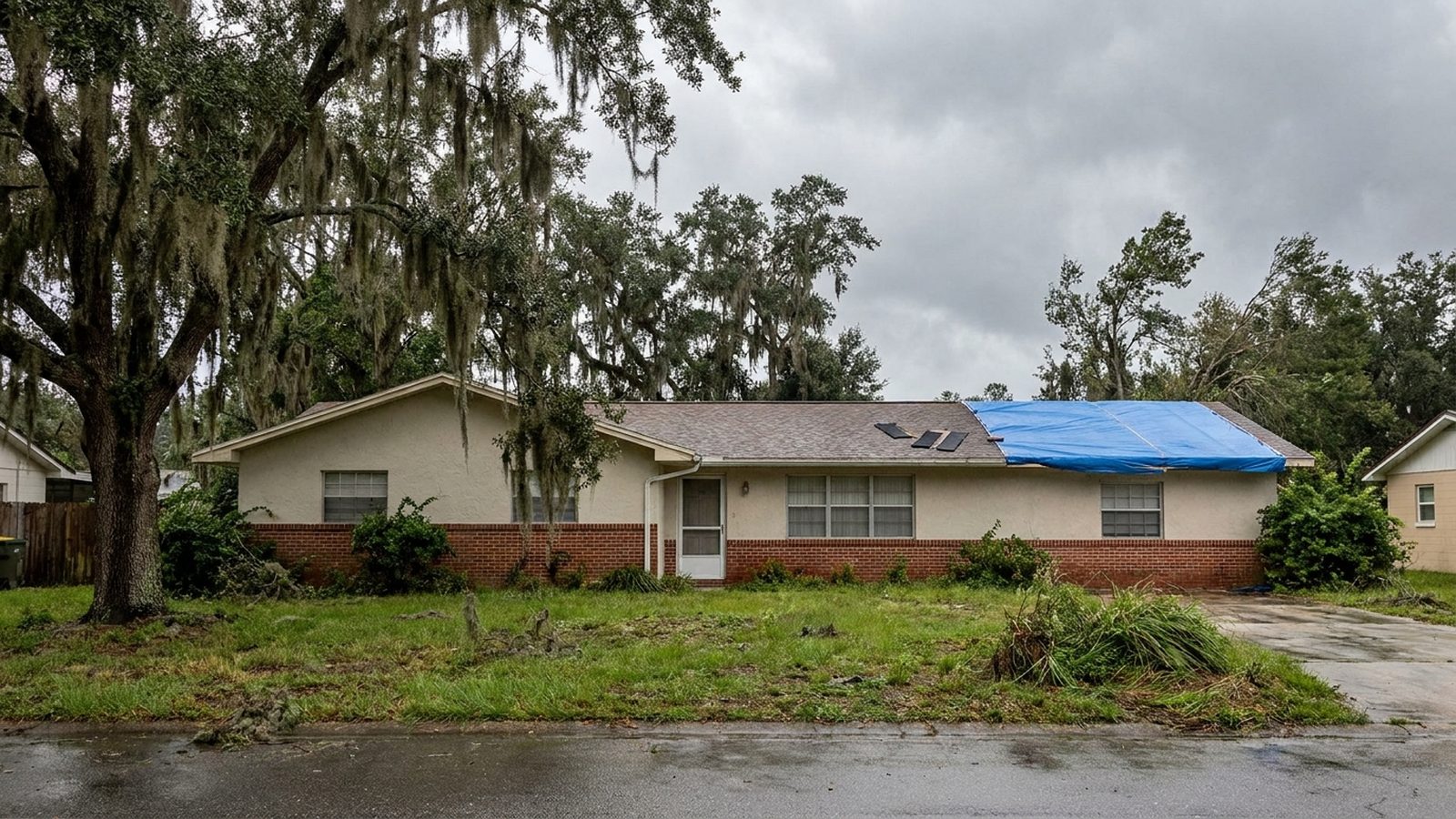
For homeowners in Duval County, the aftermath of a severe storm or hurricane brings a wave of difficult decisions. Dealing with water intrusion, wind-battered roofs, and downed trees is stressful enough, but deciding what to do with the property afterward can feel overwhelming. If you are considering selling a flood or storm-damaged house in Jacksonville, FL, you need to weigh the realities of insurance claims, major repair costs, and strict state disclosure laws against the simplicity of an as-is sale. This guide provides actionable insights for Jacksonville homeowners looking to navigate this complex process, protect their financial interests, and find the right path forward.
Understanding Storm and Flood Damage in Jacksonville, FL
Jacksonville’s unique geography makes it susceptible to a variety of weather events. As the largest city by land area in the contiguous United States, Duval County features a diverse landscape that responds differently to extreme weather. The St. Johns River, which famously flows north, creates unique tidal and storm-surge vulnerabilities for neighborhoods along its banks. During major hurricanes and nor'easters, the combination of heavy rainfall, wind, and tidal push can lead to significant property damage.
Different neighborhoods face distinct challenges. In historic Riverside and Avondale, older drainage infrastructure and mature tree canopies can lead to localized street flooding and roof damage from falling branches. In Mandarin, riverfront properties often contend with rising water levels and dock damage. Over in Arlington, varied elevations mean that while some homes sit safely above the floodplain, others in lower-lying pockets are at risk. Meanwhile, coastal communities like Jacksonville Beach, Neptune Beach, and Atlantic Beach bear the brunt of wind-driven rain, storm surge, and saltwater intrusion.
When assessing your property, it is crucial to understand the scope of the damage. Wind damage might compromise your roof's integrity, leading to slow leaks that destroy drywall and insulation. Flood damage, on the other hand, often requires extensive mold remediation, flooring replacement, and electrical system overhauls. Because Florida's weather is unpredictable, homeowners must act quickly to prevent secondary damage, such as mold growth, which thrives in Jacksonville's humid climate. For a broader look at how seasonal weather impacts real estate, review our guide on Hurricane Season and Home Sales: What Florida Sellers Should Know.
The Legal Side: Florida's Flood Disclosure Requirements
When selling a home in Florida, transparency is not just good practice—it is the law. If your Jacksonville property has suffered flood damage, you must navigate specific legal requirements designed to protect buyers from hidden defects. Florida lawmakers have increasingly focused on ensuring that real estate transactions clearly communicate environmental risks, particularly regarding water damage and flooding history.
Florida Flood Disclosure Law
Under Florida Statutes 689.302, a seller of residential real property must complete and provide a flood disclosure to the purchaser at or before the time the sales contract is executed. The form states that homeowners' insurance policies do not include flood coverage and asks whether the seller has knowledge of flooding that damaged the property during ownership and whether the seller has filed a flood-damage insurance claim. Source: Florida Statutes 689.302
For a seller in Duval County, this means you cannot simply patch the drywall, replace the baseboards, and pretend the flood never happened. The disclosure form requires honest answers about past flooding and insurance claims. Failing to disclose this information can lead to severe legal and financial consequences down the line, including lawsuits for non-disclosure. By being upfront about the property's history, you protect yourself from future liability and build trust with potential buyers, whether they are families looking for a primary residence or real estate investors.
Timeline and Steps to Selling a Storm-Damaged Home
Selling a damaged home is significantly different from listing a move-in-ready property. The process requires careful coordination between insurance adjusters, contractors, and real estate professionals. Here is a general step-by-step approach to managing the situation.
First, prioritize safety and mitigate further damage. This means tarping damaged roofs, boarding up broken windows, and removing standing water. If you fail to mitigate secondary damage, your insurance company may deny portions of your claim. Next, document everything. Take extensive photos and videos of the damage before moving any debris. This documentation will be critical when dealing with insurance adjusters and FEMA representatives.
Once the property is secure, contact your insurance provider to initiate a claim. Keep in mind that standard homeowners insurance typically covers wind and rain damage but explicitly excludes flood damage, which requires a separate policy. After the adjuster assesses the property, you will receive a settlement offer. At this crossroads, you must decide whether to use the funds to repair the home or keep the settlement and sell the property as-is. If you choose to sell without making repairs, you can explore Selling a Storm-Damaged Home: Your Complete Recovery Guide for deeper insights into managing the transition.
Checklist: Preparing a Damaged House for Sale
- Secure the property (tarp the roof, board windows, dry out standing water).
- Document all damage with date-stamped photos and detailed notes.
- File necessary claims with your homeowners and/or flood insurance providers.
- Obtain multiple repair estimates from licensed Jacksonville contractors.
- Gather all past insurance claim documents and property history for disclosure forms.
- Consult with a tax professional regarding casualty losses and home-sale exclusions.
Get a Cash Offer for Your Jacksonville Home
No repairs, no fees, no hassle. Close in as little as 7 days.
Get My Free Offer →Costs vs. Value: Should You Repair or Sell As-Is?
One of the most agonizing decisions for a Jacksonville homeowner is determining whether to repair a storm-damaged house or sell it in its current condition. This decision ultimately comes down to the numbers: the cost of repairs, the time required, and the potential after-repair value (ARV) of the home.
Major repairs, such as replacing a roof or remediating extensive flood damage, require significant capital upfront. Furthermore, the demand for licensed contractors in Duval County surges immediately following a major storm, which can drive up labor costs and lead to extensive delays. You must ask yourself if you have the financial reserves and the patience to manage a major construction project. Even if you complete the repairs, there is no guarantee that the money spent will translate dollar-for-dollar into a higher sale price, especially if neighboring homes also suffered damage and are dragging down local comparable sales.
On the financial side, it is also important to consider the tax implications of your situation. The IRS provides specific guidance on how to handle casualty losses from sudden, unexpected events like hurricanes. Depending on your situation and whether Duval County is declared a federal disaster area, you may be eligible for specific tax treatments. You can find detailed information on this by reviewing resources from the IRS. Source: IRS Publication 547. Additionally, if you decide to sell, remember that the IRS home-sale exclusion generally allows you to exclude up to $250,000 (single) or $500,000 (married filing jointly) of capital gains, provided you have lived in the home for at least two of the last five years. Always consult a tax professional to understand how these rules apply to your specific damaged property.
What to Watch Out For When Selling a Damaged Jacksonville Property
Selling a damaged home introduces several unique pitfalls that can derail a transaction. One of the biggest hurdles is buyer financing. Traditional lenders have strict property condition requirements. If your home has an active roof leak, missing drywall, or unresolved mold issues, a standard buyer will likely be unable to secure a conventional, FHA, or VA mortgage. Lenders require a clean four-point inspection (covering roofing, electrical, plumbing, and HVAC), and storm damage almost always results in a failed inspection.
Another critical factor is your property's flood zone designation. FEMA regularly updates its flood maps, and your property's status dictates flood insurance requirements and building codes. If your home is located in a high-risk zone, buyers using federally backed mortgages will be mandated to carry flood insurance, which adds to their monthly carrying costs and can affect what they are willing to pay for the home. You can verify your property's current designation through official federal mapping tools. Source: FloodSmart (FEMA).
Additionally, beware of unpermitted repairs. In the rush to fix storm damage, some homeowners hire unlicensed handymen or skip the permitting process required by the City of Jacksonville. Unpermitted work is a massive red flag for buyers and title companies. It can delay closing or force you to tear out the work and start over. If you are struggling with these hurdles, you might want to read How to Sell a House Fast in Florida: A 2026 Homeowner's Guide to explore alternative selling methods.
How a Cash Sale Works for Unfinanceable Homes in Jacksonville, Florida
When a home is severely damaged and traditional financing is off the table, selling to a cash buyer is often the most practical solution. Cash sales bypass the strict underwriting guidelines of mortgage lenders, meaning there are no bank-mandated appraisals or repair contingencies. For a homeowner staring down massive repair bills, this offers a clean, straightforward exit strategy.
Companies like USHomeBuyers.com specialize in purchasing properties in their current condition. When you work with cash home buyers in Jacksonville, the process is streamlined. The buyer evaluates the property's as-is condition and its potential after-repair value, then presents a direct offer. Because they are using private funds, they can close on a timeline that works for you—whether you need to move quickly to secure new housing or require a few weeks to sort through your belongings.
Selling as-is means you do not have to manage contractors, pull permits, or worry about passing a buyer's home inspection. You simply disclose the known damage as required by Florida law, agree on a price, and move forward. For many Jacksonville residents recovering from a devastating storm, the peace of mind that comes with a guaranteed cash sale far outweighs the potential (and uncertain) upside of managing a major rehabilitation project. If you are ready to explore this option, you can request a no-obligation cash offer to see what your property is worth today.
Conclusion
Recovering from a hurricane or severe storm in Duval County is a heavy burden, but you have options when it comes to your damaged property. Whether you choose to navigate the insurance process and rebuild, or prefer to walk away by selling the home as-is, the key is to make an informed decision based on your financial capacity and emotional bandwidth. Understand your disclosure obligations, carefully weigh the true costs of repair, and remember that professional cash buyers are available to provide a fast, reliable solution when traditional real estate listings fall short.
This article is general information, not legal, tax or financial advice. Rules change, so confirm details with a licensed professional in Florida.
Frequently Asked Questions
Can I sell my Jacksonville house with an open insurance claim?
Yes, you can sell a property with an open insurance claim. Depending on the terms of your policy and the agreement with the buyer, you may be able to assign the claim benefits to the new owner, or you can settle the claim and sell the home as-is at a discounted price.
Do I have to fix a storm-damaged roof before selling?
You are not legally required to fix the roof to sell the property. However, traditional buyers using mortgage financing will likely struggle to get loan approval or homeowners insurance if the roof is actively leaking or severely damaged. Selling to a cash buyer is a common alternative for homes needing major roof repairs.
What happens if my damaged home is in a high-risk FEMA flood zone?
If your home is in a high-risk FEMA flood zone, any buyer using a federally backed mortgage will be required to purchase flood insurance. As a seller, you must also comply with Florida's flood disclosure laws, informing the buyer of the property's flood history and any past insurance claims.
How does a cash sale differ from listing a damaged home on the market?
A cash sale bypasses the traditional mortgage underwriting process, meaning the buyer does not need lender-mandated repairs, appraisals, or a clean four-point inspection. Cash buyers typically purchase the home in its current as-is condition, allowing you to avoid out-of-pocket repair costs and close on a faster timeline.
Sources & Further Reading
- Florida Statutes 689.302: Disclosure of flood risks
- FloodSmart (FEMA): Flood Zones and Maps
- IRS Publication 547: Casualties, Disasters, and Thefts
- Florida Division of Emergency Management