
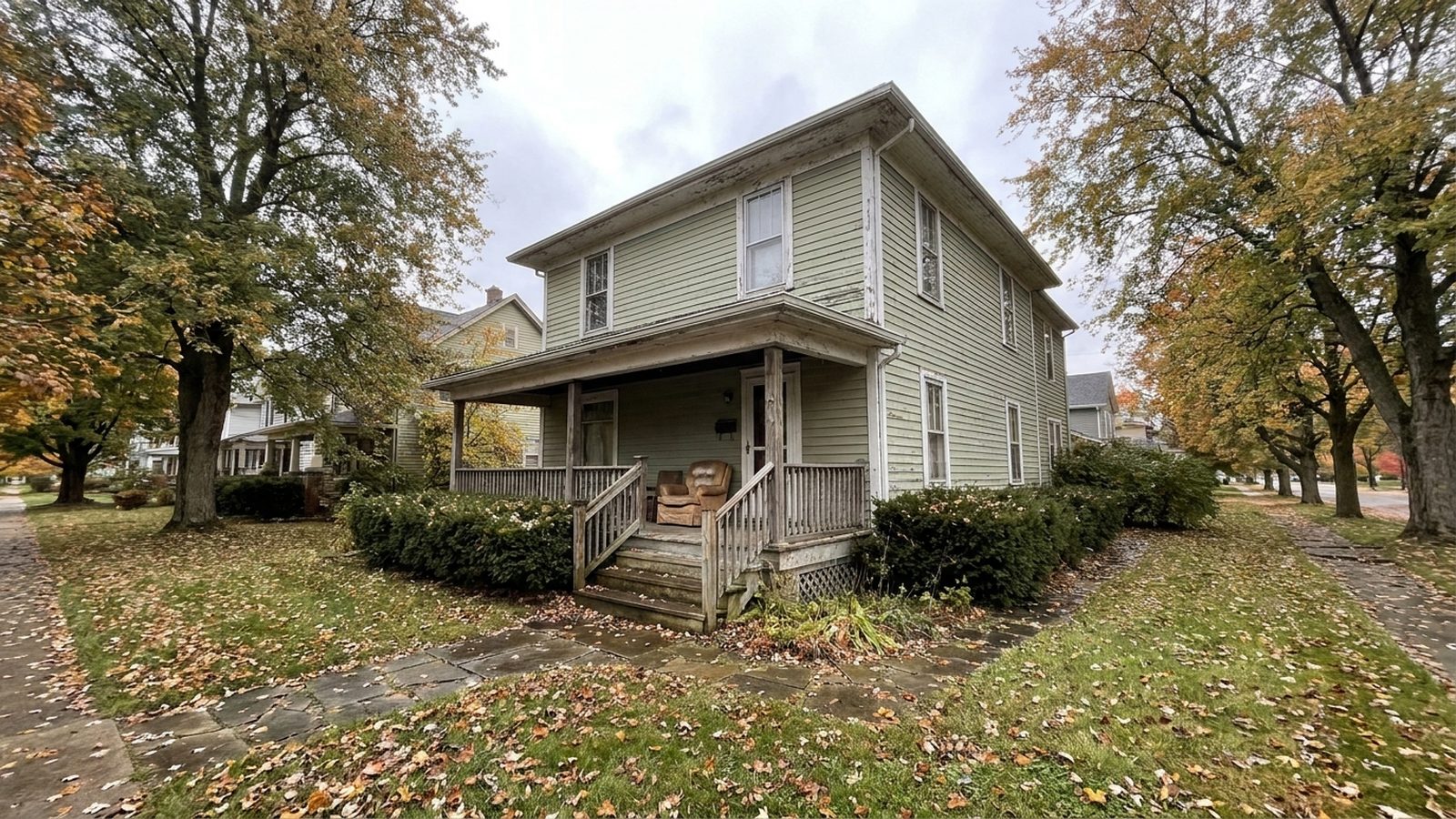
Selling a house in Columbus, Ohio, is usually a straightforward process, but finding a code violation notice taped to your front door changes the equation entirely. Whether you inherited an aging property in Franklinton, are managing a rental in Linden that fell behind on maintenance, or simply ran out of funds to complete a renovation in Clintonville, open code violations create significant hurdles for traditional real estate transactions. Navigating the local bureaucracy of Franklin County while trying to list a problem property can feel overwhelming, but understanding local enforcement and your legal disclosure requirements will give you clear options to move forward.
Understanding Code Enforcement in Columbus, Ohio
In Columbus, code enforcement exists to ensure that properties meet minimum safety, health, and aesthetic standards. The city’s Department of Building and Zoning Services, along with code enforcement officers, actively monitor neighborhoods. However, a significant portion of their work is driven by complaints. If neighbors call the city's 311 service center to report high grass, accumulated junk, or a collapsing porch, an inspector will likely be dispatched to your property.
Columbus has a diverse housing stock, ranging from historic brick homes in German Village to mid-century builds on the East Side. Central Ohio’s climate—characterized by wet springs, humid summers, and harsh winter freeze-thaw cycles—accelerates exterior wear and tear. This weather pattern frequently leads to common violations such as peeling exterior paint, rotting wood trim, damaged roofs, and failing gutters.
Beyond exterior maintenance, interior violations are also common. Unpermitted work is a frequent issue, particularly when homeowners attempt to finish basements or update electrical panels without securing the proper permits. When you decide to sell, these unpermitted improvements or unresolved maintenance issues do not simply disappear; they remain attached to the property’s record and can complicate the transfer of ownership.
Do You Have to Disclose Code Violations in Ohio?
A common misconception among sellers is that listing a property "as-is" means they do not have to reveal its flaws. In Ohio, consumer protection laws require sellers to be upfront about the condition of their residential real estate. If you are aware of open code violations, unpermitted renovations, or structural defects, you cannot legally hide these facts from potential buyers.
Ohio Real Estate Disclosure Law
Ohio requires a property disclosure form for residential real property transfers (with statutory exceptions); sellers use the Ohio Residential Property Disclosure Form. Source: Ohio Revised Code 5302.30
When you fill out this mandatory form, you must answer questions regarding the physical condition of the property, including any notices you have received from government agencies. Failing to disclose a known code violation can lead to severe legal consequences, including lawsuits from the buyer after the sale closes. Transparency is always the best policy. By disclosing the violations upfront, you attract buyers who are genuinely prepared to take on the property's challenges, rather than those who will walk away once a home inspector uncovers the truth.
If you are unsure how to properly document these issues, it is highly recommended to consult with a licensed Ohio real estate attorney or review resources provided by the Ohio Department of Commerce, which oversees real estate licensing and consumer protection in the state.
What to Watch Out For: Fines, Liens, and Lender Problems
Ignoring a code violation in Columbus will not make it go away; in fact, it usually makes the situation much more expensive. When an inspector issues a notice of violation, you are typically given a specific window of time to correct the issue. If that deadline passes without action, the city can escalate the matter.
This escalation often involves significant daily fines. In severe cases of neglect, such as overgrown vegetation or unsecured vacant structures, the city may step in to abate the nuisance. This means the city will hire contractors to mow the lawn, board up broken windows, or remove trash. The city will not absorb these costs; instead, they will assess the expenses against your property taxes as a municipal lien.
When it comes time to sell, title companies operating in Franklin County will run a thorough title search. Any recorded municipal liens must be satisfied (paid off) at or before closing. You cannot transfer a clean title to a new buyer if the city holds a lien against the house.
Furthermore, open violations create massive hurdles for traditional buyers relying on mortgage financing. If a buyer is using an FHA, VA, or even a conventional loan, the lender will send an appraiser to evaluate the home. Appraisers are trained to spot safety hazards and structural issues. If the house has peeling lead-based paint, missing handrails, or an unpermitted addition, the lender will likely refuse to fund the loan until the issues are fixed. You can learn more about how lenders evaluate properties and protect their investments through resources provided by the CFPB: Owning a Home guide.
Get a Cash Offer for Your Columbus Home
No repairs, no fees, no hassle. Close in as little as 7 days.
Get My Free Offer →Step-by-Step: How to Handle Open Code Violations Before Selling
If you have received a citation and are planning to sell your Columbus home, taking a systematic approach will help you minimize stress and financial loss. Here is a practical path forward:
- Verify the Exact Violations: Do not guess what needs to be fixed. Read the citation carefully or look up your property address on the Columbus citizen access portal. Ensure you understand exactly which municipal codes are being cited.
- Communicate with the Inspector: Code enforcement officers are often willing to work with homeowners who show a good-faith effort to resolve the problem. Call the officer listed on your notice. Explain that you intend to sell the property. They may grant you an extension to either complete the repairs or finalize a sale to a buyer who will take responsibility.
- Get Professional Estimates: If you are considering fixing the issues before listing, call licensed Columbus contractors to get quotes. Remember that resolving a violation often requires pulling new permits, passing city inspections, and potentially uncovering hidden damage.
- Evaluate Your Selling Options: Once you have the repair estimates, compare them against the potential market value of your home. If the numbers do not make sense, or if you simply do not have the time and capital to manage a construction project, selling as-is to a cash buyer becomes a highly attractive alternative.
For more detailed strategies on navigating these scenarios, you might find it helpful to read our broader guide on Selling a House With Code Violations or Unpermitted Work, or explore similar regional challenges in our article about Selling a House with Code Violations in North Carolina.
Costs and Numbers: Repairing vs. Selling As-Is in Columbus
The decision to repair a home or sell it as-is ultimately comes down to a careful evaluation of costs, time, and emotional energy. Repairing a home to satisfy Columbus code enforcement is rarely cheap. Because the work must pass municipal inspection, you cannot cut corners or rely on unverified handymen. You must hire licensed, bonded professionals, pay for permits, and endure the delays of the city's inspection schedule.
If your property has major issues—such as an unpermitted structural change or a failing foundation—the costs can quickly consume your potential equity. Furthermore, while you are managing these repairs, you are still responsible for ongoing holding costs: property taxes, insurance, utilities, and potentially a mortgage payment.
Checklist: Evaluating Your As-Is Selling Strategy
- Calculate the total cost of licensed repair estimates and permit fees.
- Add up your monthly holding costs (taxes, insurance, utilities, mortgage) multiplied by the expected repair timeline.
- Determine the current payoff amount for any municipal liens or fines already attached to the property.
- Compare the estimated after-repair value of the home minus standard agent commissions against a direct cash offer.
- Assess your personal timeline and willingness to manage contractors.
When you run the numbers, you may find that selling the property in its current condition is the most financially sound decision. It is also worth noting that if this property is your primary residence, you may still benefit from favorable tax treatments upon sale. According to IRS Topic 701: Sale of your home, homeowners may exclude up to $250,000 of gain ($500,000 married filing jointly) on the sale of a main home if ownership and use tests (generally 2 of the last 5 years) are met. This exclusion can help preserve your proceeds even if you sell the property at a discount due to its condition.
For additional insights on calculating costs for properties needing significant work, check out our comprehensive guide on Selling a Fixer-Upper: Your Complete Guide to Problem Properties.
Selling Your Columbus House for Cash with Violations
If repairing the property is out of the question, selling to a professional cash buyer is often the most efficient exit strategy. Companies that specialize in buying distressed real estate understand how to navigate municipal bureaucracy, clear title issues, and assume the responsibility of open code violations.
When you work with cash home buyers in Columbus like USHomeBuyers.com, the process is designed to bypass the hurdles of traditional real estate. Because we purchase properties with our own funds, there are no bank appraisals or strict lender requirements to satisfy. We evaluate the property in its current condition, factor in the cost of resolving the Franklin County code violations, and make a fair, transparent offer.
If you accept, the transaction can move incredibly fast. You do not need to clean out the property, host open houses, or pay real estate agent commissions. The responsibility for pulling permits, hiring contractors, and satisfying the Columbus code enforcement inspectors transfers to us after closing. This allows you to walk away from a stressful situation with cash in hand, free from the burden of mounting daily fines or the threat of environmental court.
Every property situation is unique, but open citations do not mean you are trapped. By understanding the disclosure laws outlined in the Ohio Revised Code and recognizing the limitations of traditional mortgage-backed buyers, you can make an informed decision that protects your financial interests and your peace of mind.
Your Next Step to a Stress-Free Sale
Dealing with the Columbus Department of Building and Zoning Services while trying to sell a house is a headache no homeowner wants to endure. If your property is facing mounting fines, requires expensive permitted repairs, or simply cannot qualify for traditional financing, you have a reliable alternative. You can bypass the red tape, avoid contractor delays, and sell your property exactly as it stands today.
If you are ready to explore your options and see exactly what your property is worth in its current condition, request a no-obligation cash offer from USHomeBuyers.com. We have the local expertise to handle Columbus code violations so you can move forward with confidence.
This article is general information, not legal, tax or financial advice. Rules change, so confirm details with a licensed professional in Ohio.
Frequently Asked Questions
Do I have to fix code violations before selling my house in Columbus?
No, you are not legally required to fix violations before selling. You can sell the property as-is to a cash buyer willing to take on the repairs, provided you properly disclose the known violations to the buyer according to Ohio law.
Will the city of Columbus put a lien on my house for code violations?
Yes, if you ignore citations, the city can step in to correct the issue—like mowing tall grass or boarding up windows—and assess those costs as a lien against your property taxes, which must be paid when you sell.
Can a buyer get a traditional mortgage on a Columbus house with open violations?
It is very difficult. Traditional lenders, especially those backing FHA or VA loans, require homes to meet strict safety and habitability standards. Significant open code violations will usually cause the appraisal and the loan to fail.
How do I find out if my Columbus property has open code violations?
You can search your property address on the city of Columbus citizen access portal or contact the local code enforcement office directly. Title companies will also uncover recorded municipal liens during the title search process.
Sources & Further Reading
- IRS Topic 701: Sale of your home
- Ohio Revised Code 5302.30: Property disclosure form
- Ohio Revised Code Chapter 5302
- Ohio Department of Commerce
- Ohio REALTORS