
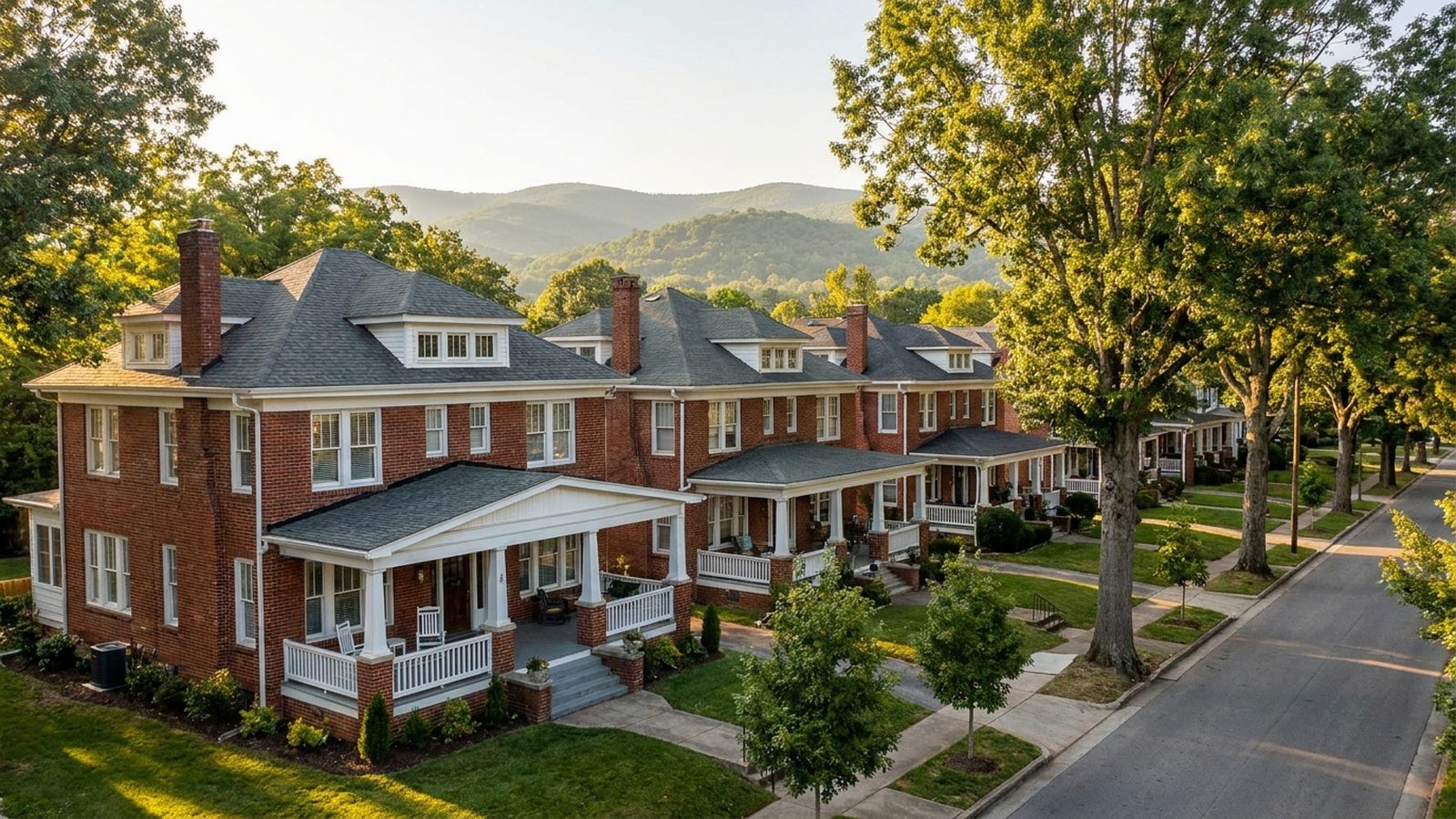
Selling a tenant-occupied rental property in the Upstate requires more than just placing a sign in the yard. Whether you own a historic craftsman in North Main or a renovated mill home in West Greenville, navigating a sale while renters are living in the home means balancing your financial goals with your legal obligations. Landlords looking to exit the market must carefully manage lease agreements, understand tax implications, and decide whether a traditional listing or a direct cash sale is the best path forward.
Understanding South Carolina Tenant Rights When Selling in Greenville
When you decide to sell a rental property, your tenants do not automatically lose their right to live in the home. In South Carolina, a fixed-term lease survives the sale of the property. This means that if you sell the house, the new buyer inherits the lease, the tenants, and all the terms you originally agreed upon until that lease expires.
South Carolina Landlord and Tenant Laws
South Carolina's Residential Landlord and Tenant Act governs security deposits, notices, rent and landlord/tenant obligations for residential leases. Source: South Carolina Residential Landlord and Tenant Act
Because the lease transfers to the new owner, you must ensure all documentation is accurate and up to date. You cannot simply force a tenant out before closing just because you found a buyer, unless the tenant is on a month-to-month agreement and you provide the proper statutory notice required by state law. Furthermore, you must arrange for the transfer of the tenant's security deposit to the new owner at closing. The new owner will then be legally responsible for returning the deposit when the tenant eventually moves out. Failing to properly handle security deposits or ignoring notice requirements can lead to legal disputes that delay your closing or result in financial penalties.
Selling Vacant vs. Tenant-Occupied in Greenville County
One of the biggest decisions you will face is whether to sell the property while the tenants are still living there, or wait until the lease expires to sell it vacant. Both approaches have distinct advantages and challenges depending on the condition of your Greenville property and your timeline.
Selling a vacant property often makes traditional retail sales easier. Without tenants, you can easily schedule deep cleaning, stage the home, and execute necessary repairs. Greenville's humid subtropical climate and heavy red clay soil can take a toll on older properties, sometimes necessitating foundation work or HVAC upgrades before listing. Completing these repairs is much simpler without inconveniencing renters. Vacant homes also appeal to traditional owner-occupant buyers who want to move in immediately after closing.
Conversely, selling with tenants in place can be highly attractive if you are marketing to other real estate investors. A turnkey rental property in a strong Greenville neighborhood with reliable, paying tenants offers immediate cash flow for a new investor. However, coordinating showings around a tenant's schedule can be frustrating, and a messy home can deter potential buyers. If you are weighing these options, exploring different landlord exit strategies can help you determine the most profitable and least stressful route for your specific situation.
Tax Implications: Capital Gains and Depreciation Recapture
Selling an investment property is treated very differently by the IRS than selling a primary residence. You will not qualify for the standard home-sale exclusion (which generally allows single filers to exclude up to $250,000 and married couples filing jointly to exclude up to $500,000 of gain, provided they lived in the home for two of the last five years) unless you previously lived in the rental as your primary home and meet the strict IRS criteria.
Instead, your profits will likely be subject to capital gains taxes. As outlined in IRS Topic 409, capital gains are calculated based on your cost basis in the property and how long you have held the asset. Short-term gains are taxed as ordinary income, while long-term gains generally benefit from lower tax rates.
Additionally, landlords must account for depreciation recapture. Over the years you owned the Greenville rental, you likely took depreciation deductions on your tax returns to account for the property's wear and tear. When you sell, the IRS requires you to pay taxes on that depreciated amount. IRS Publication 544 provides comprehensive details on the sales and dispositions of assets, including how depreciation recapture is taxed.
To defer these taxes, many investors utilize a 1031 like-kind exchange, which allows you to roll the proceeds from the sale directly into a new qualifying investment property. Understanding how to properly execute a 1031 exchange is a vital part of planning your investment property exit strategy. Always consult with a licensed tax professional or CPA to evaluate your specific tax liabilities before closing.
Timeline and Steps for Selling a Tenant-Occupied Greenville Rental
Selling a tenant-occupied home requires a structured timeline to ensure compliance with state laws and a smooth transition for the buyer. Rushing the process can agitate tenants and derail the sale.
First, review your lease agreement. Confirm the exact end date, renewal clauses, and any stipulations regarding property showings. Next, communicate your intentions to your tenants early. Transparency helps build cooperation. Let them know how showings will be handled and assure them that their lease terms will be honored by the new buyer.
Once the property is marketed and you accept an offer, you will move toward closing. It is critical to note that South Carolina is an attorney-closing state. This means a licensed South Carolina real estate attorney must supervise the transaction. The attorney will conduct the title search, prepare the deed, and ensure that the transfer of the security deposit and prorated rent is legally documented on the settlement statement.
Checklist: Preparing to Sell a Tenant-Occupied Rental
- Review the active lease agreement to confirm end dates and terms.
- Notify tenants of your intent to sell early in the process.
- Gather records of all security deposits and rent payments.
- Consult a South Carolina real estate attorney for closing requirements.
- Assess property condition to decide between listing or seeking a cash offer.
Get a Cash Offer for Your Greenville Home
No repairs, no fees, no hassle. Close in as little as 7 days.
Get My Free Offer →Evaluating the Costs and Numbers of Selling Your Rental
Before listing your rental property on the open market, you must evaluate the true costs of a traditional sale. When selling a home in South Carolina, owners are generally required to complete a disclosure statement. The South Carolina Residential Property Condition Disclosure Act mandates that sellers disclose known material defects about the property to prospective buyers, subject to certain statutory exemptions.
If your tenants have been tough on the property, or if deferred maintenance has piled up, you may face significant repair costs to make the home appealing to retail buyers. Even if you choose to sell the property "as-is" on the traditional market, retail buyers often demand concessions or price reductions after their home inspections reveal issues with the roof, plumbing, or electrical systems.
Beyond repairs, you must account for holding costs during the time the property sits on the market, as well as traditional real estate agent commissions and closing costs. If these expenses eat too far into your profit margins, or if you simply do not want to manage repairs while tenants are living in the home, you might want to compare cash home buyers vs. traditional sales. Selling directly to an investor can eliminate agent commissions, bypass the need for repairs, and allow you to close on a flexible timeline.
What to Watch Out For: Pitfalls of Selling With Tenants
Selling an occupied rental property is not without its risks. The most common pitfall is dealing with uncooperative tenants. If a tenant feels blindsided by the sale, they may refuse to tidy up the house for showings, make scheduling difficult, or speak negatively about the property to prospective buyers during tours. Maintaining a good relationship and offering incentives—such as a slight rent reduction during the showing period or assistance with moving expenses if they choose to leave early—can mitigate this risk.
Another issue to watch out for is lease verification. Buyers will want to see the lease, a rent roll, and proof that the tenants are current on their payments. If your record-keeping has been informal, or if you have relied on verbal agreements, you will struggle to prove the property's value to an investor. Ensure all documents are formalized and signed.
Finally, be cautious about the buyer pool. Traditional owner-occupant buyers usually require the property to be vacant at closing so they can move in. If your lease does not expire for another six months, traditional buyers using conventional mortgages may not be able to purchase the home, severely limiting your market to other investors or cash buyers.
Conclusion and Next Steps
Selling a rental property with tenants in Greenville, SC, requires strategic planning, a solid understanding of landlord-tenant laws, and a clear view of your financial exit strategy. Whether you choose to wait out the lease, list the property traditionally, or sell directly to an investor, keeping your tenants informed and ensuring your paperwork is airtight will facilitate a much smoother transaction.
If you want to avoid the hassle of coordinating showings, managing repairs, and paying traditional agent commissions, selling to a professional cash buyer can be an excellent alternative. USHomeBuyers.com specializes in purchasing tenant-occupied properties in the Upstate. If you are looking for cash home buyers in Greenville, we can evaluate your rental property and make a competitive offer, taking over the existing lease and making the transition seamless for both you and your tenants. Ready to explore your options? Request a no-obligation cash offer today and see how simple selling your rental property can be.
This article is general information, not legal, tax or financial advice. Rules change, so confirm details with a licensed professional in South Carolina.
Frequently Asked Questions
Can I evict my tenant to sell my house in Greenville, SC?
Generally, you cannot evict a tenant simply because you want to sell the property. If the tenant is on a fixed-term lease, the lease survives the sale, and the new owner must honor it. You can only evict if the tenant violates the lease terms or if a month-to-month lease is properly terminated with statutory notice.
What happens to the tenant's security deposit when I sell?
When you sell a tenant-occupied property in South Carolina, the security deposit must be transferred to the new owner at closing. The new owner then assumes responsibility for holding the deposit and eventually returning it to the tenant according to the lease terms and state law.
Do I have to pay taxes when selling a rental property in South Carolina?
Yes, selling an investment property typically triggers capital gains taxes and depreciation recapture. However, you may be able to defer these taxes by utilizing a 1031 exchange to reinvest the proceeds into another qualifying investment property. Always consult a tax professional to understand your specific liabilities.
Do I need an attorney to sell my rental property in Greenville?
Yes, South Carolina is an attorney-closing state. This means a licensed South Carolina real estate attorney must oversee and supervise the real estate closing process, including title searches, document preparation, and the legal transfer of funds and deeds.
Sources & Further Reading
- South Carolina Residential Landlord and Tenant Act
- South Carolina Residential Property Condition Disclosure Act
- IRS Topic 409: Capital gains and losses
- IRS Publication 544: Sales and Other Dispositions of Assets
- South Carolina Department of Revenue