
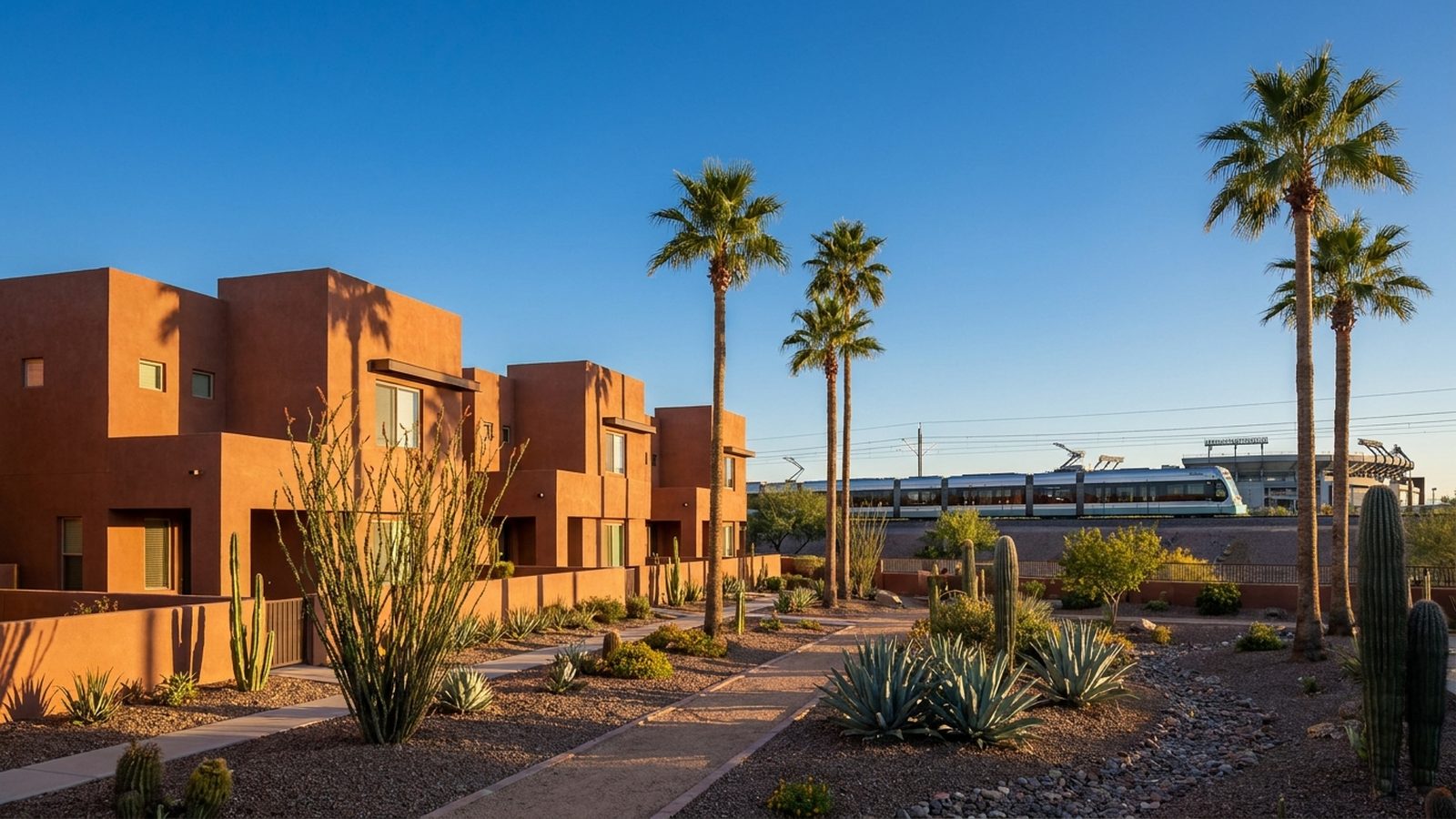
Selling an investment property, townhome, or condo near Arizona State University (ASU) in Tempe requires a strategic approach. Unlike selling a traditional primary residence, offloading a student rental or an income-producing condo involves coordinating with tenants, timing the academic calendar, and navigating specific Arizona real estate statutes. Whether you own a historic single-family rental in the Maple-Ash neighborhood, a modern condo along the Apache Boulevard light rail corridor, or a townhome near Escalante, transitioning out of your investment demands careful planning. This guide will help you understand your exit options, from handling HOA disclosures to evaluating the benefits of a traditional listing versus a direct cash sale.
The Tempe Market and Timing Your Sale Around the ASU Academic Calendar
Tempe’s real estate market is heavily influenced by the presence of Arizona State University. The rhythm of the local housing ecosystem, particularly for properties near the campus, beats in time with the academic calendar. If you are selling a student rental, timing is one of your most critical considerations.
Many real estate investors looking to purchase rental properties in Tempe prefer to close in the late spring or early summer. This timeline allows a new owner to make necessary repairs, market the property, and secure student tenants before the fall semester begins. If your property is currently vacant or the lease ends in May, listing during this window can align perfectly with investor demand.
Conversely, if you attempt to sell a student rental in the middle of the fall semester, you may find a smaller pool of traditional buyers. Owner-occupants typically do not want to purchase a home they cannot move into immediately, and investors may be hesitant to take on a mid-lease property unless the numbers make perfect sense. Furthermore, properties utilized as student housing often experience accelerated wear and tear. Deciding whether to rehabilitate the property to attract retail buyers or sell it as-is to an investor is a primary decision you will need to make early in the process.
Selling Your Tempe Property with Tenants in Place
If your Tempe rental is currently occupied, you must adhere to the Arizona Residential Landlord and Tenant Act. A common misconception among landlords is that deciding to sell the property automatically terminates the lease. In Arizona, a fixed-term lease is attached to the property, not the owner. This means the lease—and the tenants—will transfer to the buyer upon closing.
When selling an occupied property, you generally have a few distinct exit strategies. First, you can wait for the lease to expire, allow the tenants to move out, clean the property, and list it on the open market. Second, you can attempt to negotiate a "cash for keys" agreement, offering the tenants a financial incentive to voluntarily vacate the property before the lease ends. This can be effective but requires mutual agreement.
Finally, you can sell the property with the tenants in place. This route restricts your buyer pool primarily to other real estate investors who are looking for turnkey income properties. Managing showings with tenants can be challenging, as you must provide proper legal notice before entering the property, and tenants may not keep the home in "show-ready" condition. For a deeper dive into managing this process, review our guide on Selling Your Home with Tenants: Landlord Exit Strategies.
Navigating HOA and Condo Disclosures in Arizona
Condominiums and townhomes make up a significant portion of the housing stock in Tempe, particularly in high-density areas near ASU, Mill Avenue, and Tempe Town Lake. If your property is part of a Homeowners Association (HOA) or a condominium association, selling involves strict compliance with Arizona disclosure laws.
Buyers have the right to review the association's Covenants, Conditions, and Restrictions (CC&Rs), bylaws, financial statements, and reserve studies before finalizing a purchase. If the property is subject to pending litigation or upcoming special assessments (such as a community-wide roof replacement or pool resurfacing), these facts must be disclosed. The responsibility for delivering these documents, and the timeframe for doing so, is dictated by state law based on the size of the community.
Arizona HOA Disclosure Requirements
For condominiums with fewer than fifty units, the unit owner must deliver the required association information to the purchaser within ten days after acceptance of the offer.
Source: Arizona Revised Statutes 33-1260
Failure to provide the necessary HOA documentation in a timely manner can give the buyer legal grounds to cancel the contract and receive a refund of their earnest money. Therefore, it is highly recommended to contact your HOA management company early in the selling process to request the resale disclosure packet.
Step-by-Step Timeline for Selling Your Tempe Rental
Selling a rental property or condo requires a systematic approach to ensure nothing falls through the cracks. While every transaction is unique, a standard timeline for a Tempe investment property sale involves several distinct phases.
The first phase is assessment and preparation. Review your current lease agreements and gather all necessary HOA documents. Walk through the property to evaluate its condition, paying special attention to major systems that endure heavy use in the Arizona climate, such as the HVAC unit. Decide whether you will make repairs or sell the property in its current condition.
The second phase involves tenant communication. If the property is occupied, notify your tenants of your intent to sell in writing. Clear communication can help foster cooperation during the showing process. Discuss how showings will be scheduled and ensure you respect their privacy and legal rights regarding notice of entry.
Checklist: Preparing Your Tempe Rental for Sale
- Review the current lease agreement and confirm the expiration date.
- Contact the HOA or property management for resale disclosure packets and fee schedules.
- Perform a walkthrough to identify deferred maintenance or necessary repairs.
- Provide written notice to tenants regarding your intent to sell and the showing procedure.
- Gather maintenance records, especially for HVAC servicing and roof repairs.
- Consult a tax professional regarding capital gains and potential 1031 exchange timelines.
The final phases involve choosing your selling method, fielding offers, and managing the escrow process. If you list traditionally, you will need to coordinate inspections, appraisals, and potential buyer repair requests. If you choose a direct sale to an investor, the process is typically streamlined, bypassing the appraisal and repair negotiation stages.
Get a Cash Offer for Your Tempe Home
No repairs, no fees, no hassle. Close in as little as 7 days.
Get My Free Offer →Tax Implications and Costs of Selling an Investment Property
Selling a rental property in Tempe comes with specific financial and tax considerations that differ significantly from selling a primary residence. When you sell an investment property for a profit, you are generally subject to capital gains taxes. Furthermore, if you have claimed depreciation on the property over the years, you may be subject to depreciation recapture taxes upon the sale, which taxes a portion of your gain at a different rate.
However, the tax code provides certain avenues for exclusion or deferral. If you previously lived in the Tempe property as your primary residence before converting it to a rental, you might qualify for the IRS Section 121 exclusion.
According to IRS Topic 701, homeowners may exclude up to $250,000 of gain ($500,000 if married filing jointly) on the sale of a main home if ownership and use tests (generally living there for 2 of the last 5 years) are met.
If the property has been strictly an investment and you do not meet the primary residence use test, you might consider a 1031 like-kind exchange. As outlined in IRS Publication 544, a 1031 exchange allows an investor to defer paying capital gains taxes by reinvesting the proceeds from the sale into a new, qualifying investment property. This strategy requires strict adherence to IRS timelines and the use of a Qualified Intermediary. For more details on exiting an investment, read our Investment Property Exit Strategy: How to Sell Rental Properties guide.
Beyond taxes, factor in the costs of selling. In a traditional listing, sellers typically cover agent commissions, title insurance policies, escrow fees, and potential seller concessions or HOA transfer fees. When calculating your expected net proceeds, be sure to account for all these variables.
What to Watch Out For: Inspections, Maintenance, and Disclosures
Maricopa County's desert environment presents unique maintenance challenges that buyers and their inspectors will scrutinize. The extreme summer heat forces HVAC systems to run continuously, accelerating their lifespan. Roofs, particularly flat roofs common on some Tempe townhomes and older single-family homes, are susceptible to sun damage and monsoon weathering.
When selling, you must be transparent about the property's condition. The Arizona Department of Real Estate provides resources for consumers, including the widely used Seller’s Property Disclosure Statement (SPDS). Sellers are expected to disclose all known material facts that could negatively affect the property's value. This includes past roof leaks, plumbing issues (such as the presence of polybutylene pipes in older builds), unpermitted additions, and any history of termites or scorpions, which are common in the Sonoran Desert.
If your property was a student rental, buyers will be looking for signs of deferred maintenance or cosmetic damage. Scuffed walls, worn flooring, and neglected landscaping are common. If you are selling to a retail buyer, they will likely request repairs or credit following the inspection. If you want to understand how these dynamics play out in neighboring markets, you can review our guide on How to Sell Your House Fast in Scottsdale AZ.
Cash Sale vs. Traditional Listing in Tempe
Property owners in Tempe ultimately have two primary paths to a sale: a traditional market listing or a direct cash sale. A traditional listing is often the best route if your property is in pristine condition, currently vacant, and you have the time and capital to invest in staging, marketing, and potential repairs. This method exposes the property to the largest pool of retail buyers, which can maximize the gross sale price, though it comes with the friction of agent commissions, prolonged timelines, and the uncertainty of buyer financing.
Alternatively, a cash sale offers a streamlined exit strategy, which is particularly appealing for tired landlords or those with distressed properties. Companies like USHomeBuyers.com purchase properties as-is, meaning you do not need to paint, replace carpets, or fix the HVAC before selling. Furthermore, if you have tenants in place, a cash buyer can take over the existing lease, saving you the headache of coordinating showings or negotiating a tenant move-out.
By opting for a direct sale, you can bypass real estate agent commissions and select a closing date that aligns with your financial goals or 1031 exchange timeline. If you are weighing your options and want to explore the cash route, you can learn more about cash home buyers in Tempe to see if it aligns with your strategy.
Taking the Next Step with Your Tempe Property
Selling a rental house or condo near ASU involves balancing market timing, tenant laws, and property condition. Whether you choose to invest in renovations for a traditional listing or prefer the convenience of an as-is transaction, understanding the Tempe market is the key to a successful exit. If you are looking for a straightforward, commission-free solution, you can request a no-obligation cash offer to evaluate your options today.
This article is general information, not legal, tax or financial advice. Rules change, so confirm details with a licensed professional in Arizona.
Frequently Asked Questions
Can I force my tenants to move out so I can sell my Tempe house?
Under Arizona law, you generally cannot force tenants to leave before their fixed-term lease expires simply because you are selling. The lease transfers to the new owner. You must either wait, negotiate a voluntary move-out, or sell to a buyer willing to take on the existing lease.
How do HOA disclosures work when selling a condo in Tempe?
Arizona law requires specific disclosures when selling a property in a planned community or condominium. The timeline and responsibility for providing these documents to the buyer depend on the size of the community. Always consult your HOA management or a real estate attorney to ensure compliance.
What is the best time of year to sell a student rental near ASU?
Timing your sale around the academic calendar can be beneficial. Many investors look to purchase student rentals in the spring or early summer to prepare for the upcoming fall semester. However, the ideal time depends on your current lease terms and selling strategy.
Do I have to pay capital gains tax if I sell my Tempe investment property?
Generally, selling an investment property triggers capital gains taxes. However, if you have lived in the property as your primary residence for a sufficient period, you might qualify for an IRS exclusion. Investors often use 1031 exchanges to defer taxes by reinvesting in another property. Consult a tax professional.
Sources & Further Reading
- IRS Topic 701: Sale of your home
- Arizona Revised Statutes 33-1260: sale of condominium units; information required
- Arizona Revised Statutes 33-1806: sale of planned-community properties; information required
- Arizona Department of Real Estate
- IRS Publication 544: Sales and Other Dispositions of Assets