
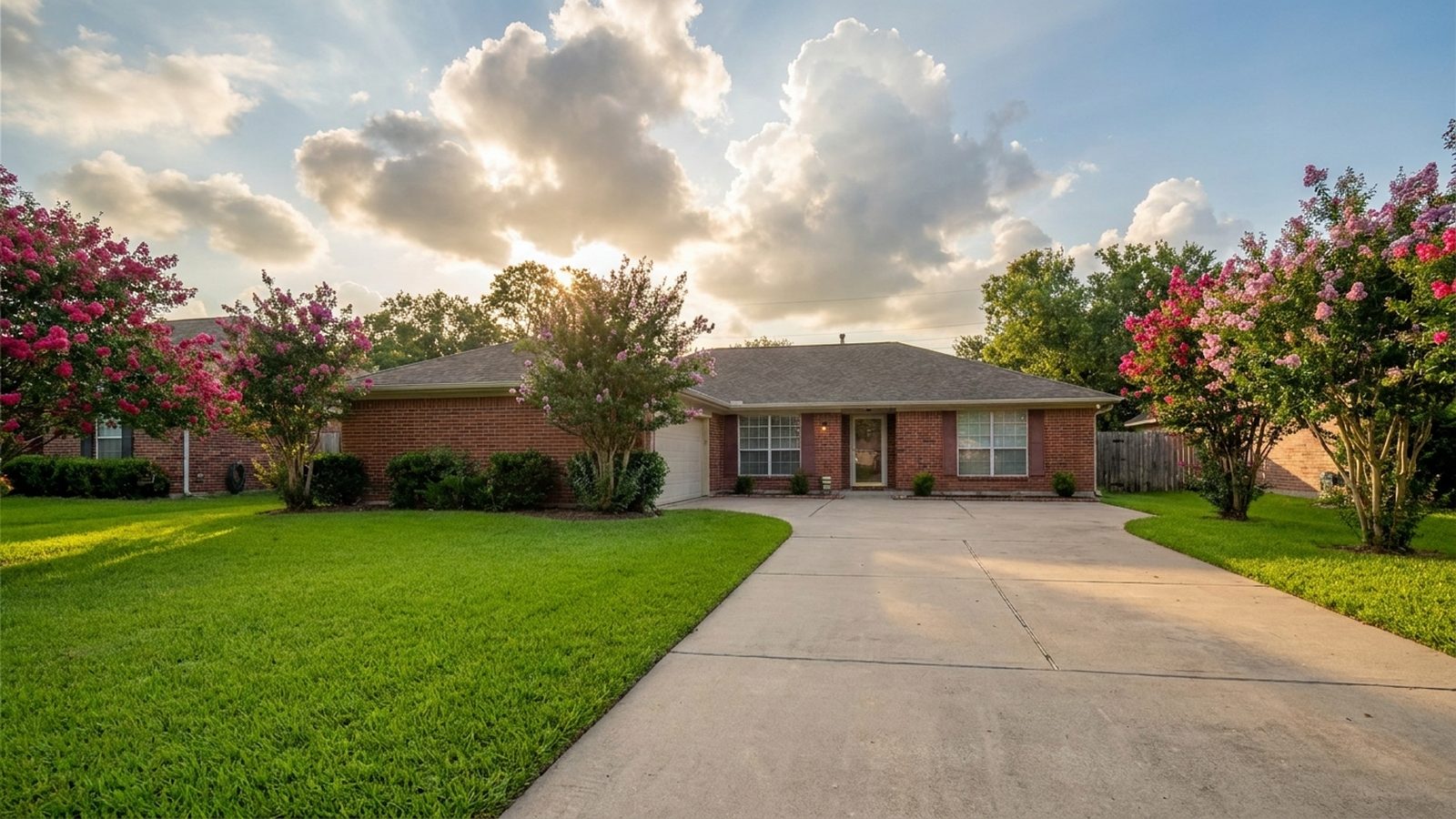
Selling a home in the sprawling Houston metropolitan area requires more than just putting a sign in the yard. From navigating the humid Gulf Coast climate to understanding how past weather events impact buyer negotiations, Harris County real estate has its own distinct rhythm. Whether you are relocating for work, downsizing, or simply looking to offload an inherited property without the hassle of repairs, understanding your selling options is the first step toward a successful closing.
For many homeowners, the ultimate goal is a stress-free transaction that moves quickly. However, the path you choose—listing on the open market or selling directly to an investor—will heavily dictate your timeline, your out-of-pocket costs, and your overall experience. This guide will walk you through the realities of selling a house fast in Houston, the critical importance of property disclosures, the nuances of local neighborhoods, and what you need to know about Texas closing procedures.
Selling Fast in Houston, TX: Traditional Listings vs. Cash Sales
When you decide to sell your Houston home, you generally have two main avenues: a traditional listing with a real estate agent or a direct sale to a cash buyer. Each method serves a different type of seller, and understanding the realistic timeline of each is crucial for planning your next move.
A traditional listing involves preparing your house for the retail market. This means decluttering, deep cleaning, landscaping, and often making cosmetic or structural repairs to attract buyers who are using conventional, FHA, or VA loans. Because these buyers rely on lender financing, the home must meet specific appraisal and condition standards. If your home has an aging roof, an outdated HVAC system struggling against the Texas heat, or signs of wear, retail buyers will likely request that you fix these issues or offer substantial concessions. Furthermore, the traditional timeline can be unpredictable. After preparing the home, you must endure weeks of showings and open houses, followed by a waiting period for the buyer's loan underwriting and appraisal processes to clear. If a buyer's financing falls through, the timeline resets.
Conversely, a cash sale offers a much more predictable and accelerated timeline. Companies like USHomeBuyers.com purchase properties in their current condition, meaning you do not have to worry about staging, cleaning, or managing contractor repairs. Because cash buyers use their own funds, the transaction bypasses lender mandated appraisals and financing contingencies. This allows sellers to close on a date of their choosing, often in a fraction of the time it takes to sell traditionally. If you are debating which route aligns best with your goals and the current condition of your property, taking the time to weigh Cash Home Buyers vs. Traditional Sale: Which Is Right for You? can provide valuable clarity.
How Houston's Flood and Hurricane History Impacts Sellers
Houston's geography and proximity to the Gulf of Mexico make it uniquely susceptible to heavy rain events and severe storms. Major weather events are woven into the city's history, and as a result, local buyers are highly educated—and sometimes highly anxious—about flooding and wind damage. When selling your home, ignoring or downplaying the property's weather history is not an option.
Texas Disclosure Requirements
Texas Property Code Sec. 5.008 requires sellers of most residential property to give buyers a written Seller's Disclosure Notice that asks about known conditions, including flooding, foundation, roof and insurance claims. Source: Texas Property Code Chapter 5
Honesty is both the best policy and the law. Even if your home was fully repaired after a past storm, you must disclose previous water penetration and any insurance claims filed. Buyers will likely do their own research, checking federal flood maps to understand their risk. If your home is located in a high-risk flood zone, buyers utilizing federally backed mortgages will be required to carry flood insurance. You can help prospective buyers understand the local mapping by directing them to resources like FloodSmart (FEMA National Flood Insurance Program), which explains flood zones and insurance requirements.
Beyond flooding, hurricane readiness is a significant selling point in the Houston market. Homes equipped with storm shutters, high-impact windows, or whole-home generators often catch the eye of safety-conscious buyers. If you are selling a home during hurricane season, it is also wise to ensure your own property is secure and to be aware of federal guidance on storm preparedness, which can be found at Ready.gov: Hurricanes. Being proactive about your home's weather resilience and transparent about its history will build trust and prevent deals from falling apart during the inspection phase.
Understanding Houston Neighborhoods: From the Inner Loop to the Suburbs
Houston is not a monolith; it is a massive, sprawling metropolis composed of distinct neighborhoods and suburbs, each with its own real estate micro-market. Buyer expectations shift dramatically depending on where your property is located, and understanding these nuances will help you position your home effectively.
Inside the Inner Loop (areas like Montrose, The Heights, and River Oaks), buyers are often drawn to historic charm, walkability, and proximity to downtown and the Texas Medical Center. Homes here are frequently older, meaning buyers might anticipate—or even look for—properties that need updating. However, older homes often come with aging plumbing, outdated electrical systems, and shifting foundations caused by Houston's notorious clay soil. If your Inner Loop home requires structural work, you might relate to the challenges discussed in our guide on Selling a House With Foundation Problems in San Antonio, TX, as soil movement is a common issue across many parts of Texas.
Moving outward to the suburbs, areas like Katy, Cypress, and The Woodlands attract families looking for highly rated school districts, master-planned communities, and strict Homeowner Association (HOA) standards. Buyers in these areas typically expect homes to be move-in ready, favoring modern finishes, well-maintained landscaping, and community amenities. If your suburban home has deferred maintenance, it may sit on the market longer unless priced accordingly or sold to an investor.
Other areas, such as Pasadena and Spring, offer their own unique advantages. Pasadena's proximity to the port and industrial sectors makes it attractive to a specific workforce demographic, while Spring offers a blend of older, established neighborhoods and newer developments near major corporate campuses. Tailoring your sale strategy to the specific expectations of your neighborhood's typical buyer is essential for a smooth transaction.
Get a Cash Offer for Your Houston Home
No repairs, no fees, no hassle. Close in as little as 7 days.
Get My Free Offer →Step-by-Step Plan for a Fast Houston Home Sale
Selling a house quickly requires organization and a clear plan of action. While the traditional market involves a lengthy preparation phase, those looking to expedite the process must be decisive. Here is a step-by-step approach to selling your home efficiently in Harris County.
First, gather all necessary documentation. Having your paperwork in order prevents delays once a buyer is found. You will need your most recent property tax statement, your mortgage payoff information, any existing property surveys, and your HOA bylaws and contact information if applicable. If you have warranties for recent repairs—such as foundation work, a new roof, or HVAC replacement—compile these as well.
Second, assess the true condition of your property. Walk through your home with an objective eye. Note any cosmetic flaws, structural issues, or outdated systems. This assessment will help you decide whether it makes financial sense to invest in repairs for a retail sale or if selling the property as-is is the smarter choice. If you decide that skipping the repairs is best for your situation, reaching out to cash home buyers in Houston can provide you with a fast, no-obligation valuation of your property in its current state.
Houston Seller's Fast-Action Checklist
- Locate your existing property survey (T-47 affidavit).
- Gather all recent repair warranties and receipts.
- Complete the Texas Seller's Disclosure Notice honestly and thoroughly.
- Contact your HOA for resale certificate requirements and fees.
- Request a mortgage payoff quote from your lender.
Third, evaluate your offers and choose the right buyer. If you receive a cash offer, review the terms carefully. Ensure there are no hidden fees and that the buyer is willing to work with your preferred timeline. Once an agreement is reached, the process moves to a local title company, which will handle the escrow, title search, and final closing documents. For a deeper dive into accelerating this entire process, review our comprehensive resource on How to Sell Your House in 7 Days: The Complete Guide.
Closing Costs, Property-Tax Proration, and Tax Exclusions
Closing on a house in Texas involves specific procedures and costs that differ from other states. Texas is a title-company state, meaning attorneys are not strictly required to sit at the closing table, though title companies employ attorneys to prepare the legal documents. The title company acts as a neutral third party, holding the earnest money in escrow, conducting a title search to ensure there are no hidden liens, and facilitating the final transfer of funds and ownership.
One of the most important financial aspects of closing in Houston is property-tax proration. Because Texas does not have a state income tax, local municipalities rely heavily on property taxes, which can be substantial. Property taxes in Harris County are billed in arrears, meaning they are paid at the end of the year for the year that has passed. At closing, the seller is responsible for paying their prorated share of the taxes from January 1st up to the closing date. The title company will calculate this exact amount and deduct it from your proceeds, crediting it to the buyer so they can pay the full bill when it comes due in the winter.
When it comes to the profits from your sale, federal tax laws offer significant benefits for primary residences. According to IRS Topic 701: Sale of your home, homeowners may exclude up to $250,000 of gain ($500,000 if married filing jointly) on the sale of a main home if specific ownership and use tests are met—generally, if you have owned and lived in the home for at least two of the last five years before the sale. Understanding this exclusion can help you better estimate your actual take-home cash after the sale.
What to Watch Out For: Vetting a Houston Cash Buyer
If you choose to bypass the traditional market and sell for cash, it is vital to vet potential buyers carefully to ensure a secure and legitimate transaction. The Houston market attracts many types of investors, from established companies like USHomeBuyers.com to independent wholesalers. Wholesalers typically do not buy the home themselves; instead, they get the property under contract and attempt to assign that contract to an actual buyer for a fee. If they cannot find a buyer, they may use contingency clauses to back out of the deal at the last minute, leaving you stranded and delaying your sale.
To protect yourself, always ask a cash buyer if they intend to purchase the property with their own funds or if they plan to assign the contract. Request proof of funds, such as a recent bank statement or a letter from their financial institution, to verify they have the capital to close the deal. Additionally, review the contract carefully. Reputable buyers in Texas will often use standard contracts promulgated by the Texas Real Estate Commission (TREC), which are designed to be clear and balanced. Pay close attention to the earnest money amount and the length of the inspection period—a genuine cash buyer who is ready to move quickly should not require an excessively long option period.
Take the Next Step Toward a Hassle-Free Sale
Selling your house in Houston doesn't have to be an overwhelming process dictated by unpredictable timelines, demanding retail buyers, or stressful repair projects. By understanding the local market, your disclosure responsibilities, and the financial mechanisms of a Texas closing, you can take control of your sale. Whether your home is in pristine condition in The Woodlands or needs significant updates in the Inner Loop, choosing the right selling method is the key to achieving your goals. If you value speed, certainty, and convenience, you can easily request a no-obligation cash offer and discover how simple selling your home can be.
This article is general information, not legal, tax or financial advice. Rules change, so confirm details with a licensed professional in Texas.
Frequently Asked Questions
Do I have to disclose past flooding when selling my house in Houston?
Yes. Texas law requires sellers of most residential properties to provide a written Seller's Disclosure Notice. This document specifically asks about known conditions, including past flooding, water penetration, and insurance claims. Being transparent is legally required and helps build trust with potential buyers.
How does property tax proration work in Harris County?
In Texas, property taxes are paid in arrears at the end of the year. When you sell your home, the title company will calculate the exact number of days you owned the property during the current calendar year. You will credit the buyer for your portion of the taxes at closing.
Can I sell a house in Houston if it needs major foundation repairs?
Yes, you can sell a house with foundation problems. You can either pay a contractor to fix the issues before listing on the traditional market, or you can sell the home as-is to a cash buyer who will take on the responsibility and cost of the repairs after closing.
What is the fastest way to sell a house in Houston?
The fastest way to sell is typically to a cash buyer. Because cash buyers do not rely on traditional mortgage financing, they can bypass bank appraisals and lengthy loan underwriting processes. This often allows the transaction to close in a matter of days rather than weeks or months.
Sources & Further Reading
- Ready.gov: Hurricanes
- IRS Topic 701: Sale of your home
- Texas Property Code Chapter 5 (includes Sec. 5.008, seller's disclosure notice)
- Texas Real Estate Commission (TREC)
- City of Houston