
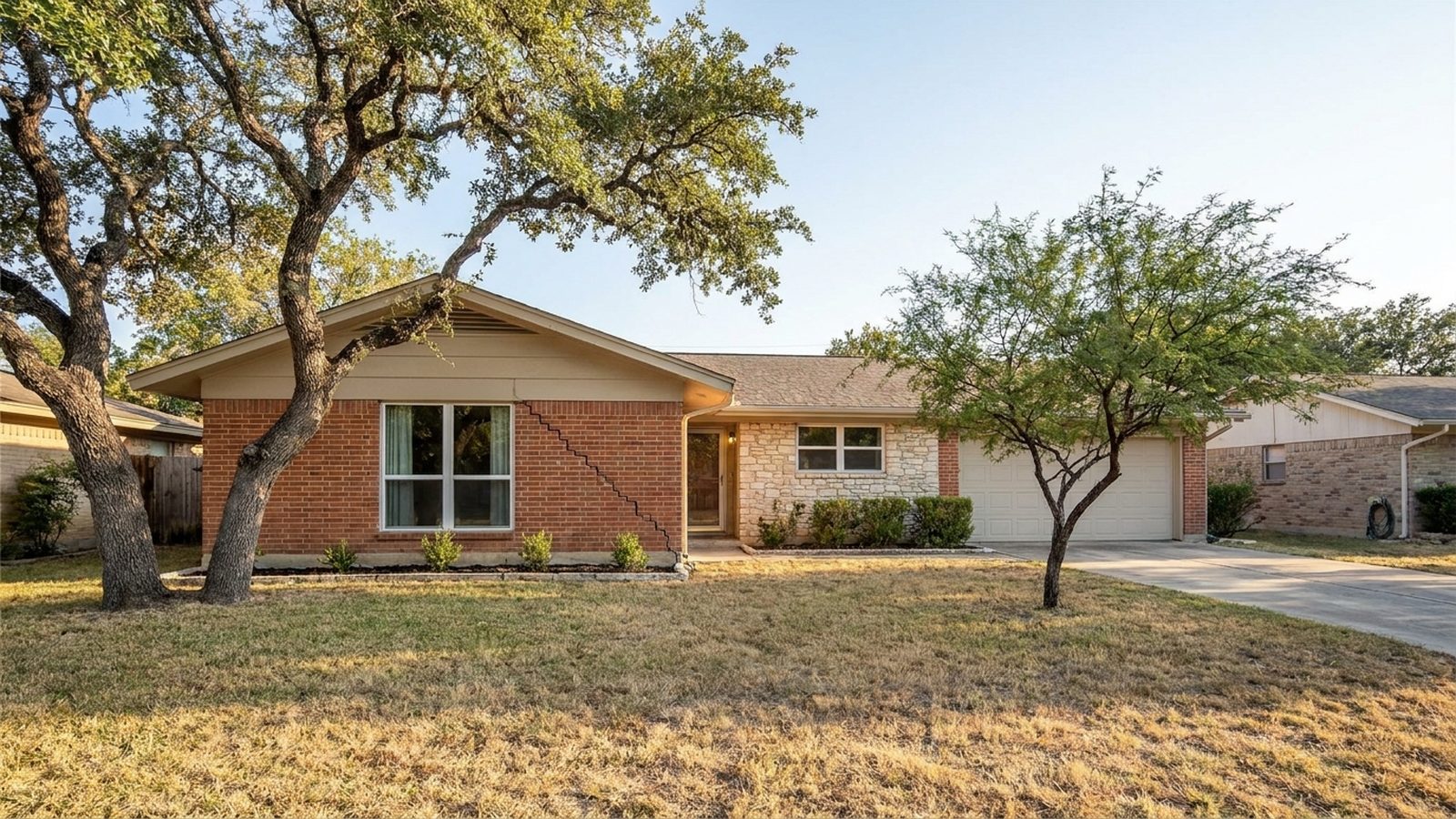
For homeowners in Bexar County, discovering a stair-step crack in your exterior brick or feeling a sudden slope in your living room floor can be a sinking feeling. Selling a house with foundation problems in San Antonio presents a unique set of challenges. Between the region's notoriously volatile soils, strict lending standards, and mandatory state disclosure laws, navigating a traditional real estate transaction with a compromised slab or pier-and-beam system requires careful planning.
If you are preparing to list a structurally compromised property, you have a critical choice to make: invest heavily in engineering reports and foundation repairs before listing, or sell the property as-is. This comprehensive guide will walk you through the realities of the local geological landscape, the steps you must take to comply with Texas law, and the financial implications of repairing versus selling to cash buyers.
Why San Antonio Homes Are Prone to Foundation Problems
San Antonio's unique geography is beautiful, but it is exceptionally harsh on residential foundations. The city straddles the Balcones Escarpment, creating a dramatic divide in soil types across Bexar County. If you live on the North or Northwest side of San Antonio, near the Hill Country, your home likely sits on shallow soil over solid limestone and caliche rock. While this rock provides a stable base, homes built on steep grades or improperly compacted fill dirt can still experience severe settling.
Conversely, if your home is located on the East, South, or West sides of San Antonio, you are likely dealing with the heavy, expansive clays of the Blackland Prairie. This expansive clay soil acts like a massive geological sponge. During the wet spring months, the clay absorbs water and expands dramatically, pushing upward on your concrete slab. During the brutal, scorching South Texas summers, droughts cause the moisture to evaporate. The soil shrinks, pulls away from the foundation, and leaves the concrete entirely unsupported. This relentless upward heaving and downward settling cycle creates immense stress, eventually snapping concrete slabs and shifting pier-and-beam supports.
Warning Signs Your Bexar County Home Has Structural Issues
Because soil movement is so common in South Texas, many homeowners ignore the early warning signs of structural failure, writing them off as "normal settling." However, knowing the difference between minor cosmetic flaws and major structural failure is vital when it comes time to sell.
Key indicators that your San Antonio home may have serious foundation problems include:
- Exterior Brick and Mortar Cracks: Look for diagonal, stair-step cracks in the mortar joints of your brick or limestone facade, particularly radiating outward from the corners of windows and doors.
- Interior Drywall Tearing: Long cracks appearing on the interior sheetrock, especially those extending diagonally from the top corners of doorframes up to the ceiling.
- Sticking Doors and Windows: As the foundation shifts, the wooden framing of the house twists. If interior doors suddenly fail to latch or scrape against the floor, or if windows become impossibly difficult to open, the foundation has likely moved.
- Uneven or Sloping Floors: A noticeable dip, slope, or bounce in the flooring. In homes with concrete slabs, you may also notice cracks echoing through hard tile flooring.
- Separation at the Frieze Board: Look at the top of your exterior walls where the brick meets the roofline. If there are widening gaps between the wall and the trim, the exterior walls are bowing outward.
Texas Seller's Disclosure Requirement
Texas Property Code Sec. 5.008 requires sellers of most residential property to give buyers a written Seller's Disclosure Notice that asks about known defects including foundation, structural, and roof problems. Source: Texas Property Code Chapter 5
Step-by-Step Timeline for Assessing and Disclosing the Damage
If you suspect your home has structural damage and you want to sell, you cannot simply bury your head in the sand. Texas law heavily favors the buyer when it comes to material defects. To protect yourself from future liability, you must follow a methodical process to assess the property and disclose the findings.
Step 1: Hire an Independent Structural Engineer
Do not start by calling a foundation repair company. Many repair companies offer "free inspections," but their primary goal is to sell you a repair plan. Instead, hire a licensed, independent structural engineer. They will assess the home's elevation, measure the deflection of the slab, and provide an unbiased, stamped engineering report detailing exactly what is wrong and what is required to fix it.
Step 2: Conduct a Hydrostatic Plumbing Test
In San Antonio, foundation movement frequently breaks the underground plumbing pipes encased in the concrete slab. A broken sewer line will leak water directly into the expansive clay beneath the house, causing the soil to swell and heave the foundation upward. A licensed plumber must perform a hydrostatic test to determine if the plumbing system is intact before any foundation repairs are attempted.
Step 3: Solicit Multiple Repair Estimates
Armed with your independent engineer's report, contact several reputable foundation repair companies to get bids. This will give you a clear picture of the financial burden you are facing, which is essential for pricing your home correctly whether you fix it or sell it as-is.
Step 4: Complete the Seller's Disclosure Notice
When you list the property, you must accurately complete the disclosure forms. The Texas Real Estate Commission (TREC) provides standard forms that ask specific questions about the foundation. You must disclose the engineer's findings, any known plumbing leaks, and any previous foundation repairs, even if they were completed years ago.
Get a Cash Offer for Your San Antonio Home
No repairs, no fees, no hassle. Close in as little as 7 days.
Get My Free Offer →The Costs and Numbers: Repairing vs. Selling As-Is in San Antonio
The financial reality of fixing a foundation in Bexar County can be staggering. Because every home is different, repair costs span a massive range. A minor issue requiring a few exterior steel piers driven into the soil might be manageable. However, if the center of your slab has failed, the repair crew will have to break through your interior flooring or tunnel extensively underneath the house to install interior supports. If the hydrostatic test reveals a broken cast-iron sewer line, the plumbing replacement alone can become a massive financial burden on top of the foundation work.
When weighing these costs, you must also consider the potential tax implications of selling your property. For many homeowners, walking away from a damaged property and retaining the proceeds is the smartest financial move. According to IRS Topic 701: Sale of your home, homeowners may exclude up to $250,000 of gain ($500,000 if married filing jointly) on the sale of a main home, provided ownership and use tests (generally living in the home for 2 of the last 5 years) are met. By selling as-is, you can avoid draining your savings on repairs, take your equity, and potentially shelter the gains under this IRS exclusion.
For a deeper dive into the overall process of offloading a damaged property, you can read Selling a House with Foundation Issues: Your Complete Guide.
Checklist: Preparing to Sell a House with Foundation Issues
- Gather all past paperwork, warranties, or receipts for any previous foundation work done on the property.
- Obtain an unbiased evaluation from a licensed structural engineer.
- Order a hydrostatic plumbing test to check for sub-slab leaks.
- Collect at least three itemized bids from local foundation repair contractors.
- Thoroughly complete the Texas Seller's Disclosure Notice, attaching the engineer's report.
- Consult with a real estate professional to determine the as-is market value versus the repaired value.
What to Watch Out For: Buyer Financing and Appraisal Obstacles
If you decide to list your damaged home on the traditional market without fixing the foundation, you must be prepared for significant hurdles. The biggest obstacle is the buyer's lender. Traditional mortgages, particularly government-backed loans like FHA and VA, have strict property condition requirements. The home must be deemed safe, sound, and structurally secure.
When the buyer's appraiser visits the property, they will easily spot the stair-step brick cracks and sloping floors. The appraiser will flag the structural integrity of the home, and the lender will typically halt the loan process. The bank will demand that the foundation be fully repaired, and certified by an engineer, before they will clear the mortgage to close. This leaves the seller in a terrible position: either pay for the expensive repairs out of pocket at the last minute or watch the sale fall apart.
Furthermore, buyers may struggle to secure homeowners insurance on a home with active structural failure. As noted in the Texas Department of Insurance homeowners insurance consumer guide, standard policies generally exclude damage caused by foundation movement and soil settling. Buyers who discover they are taking on an uninsurable risk will often terminate the contract during the option period.
How a Cash Sale Handles Foundation Problems in San Antonio
Given the immense cost of repairs and the high probability of traditional buyer financing falling through, many Bexar County homeowners choose a different route. Selling to cash home buyers in San Antonio bypasses the traditional mortgage process entirely. Because cash buyers do not rely on bank financing, there are no strict lender appraisals, no mandatory repair contingencies, and no panicking over FHA loan guidelines.
Companies like USHomeBuyers.com specialize in purchasing properties exactly as they stand. When you request a no-obligation cash offer, the investor evaluates the property, factors in the cost of the necessary structural and plumbing repairs, and makes a fair market offer based on the home's current condition. You can leave the property exactly as it is, skip the months of invasive construction, and close on a timeline that works for you.
This strategy is not just popular in San Antonio; it is a common solution across the entire state, as detailed in our Sell My House Fast in Houston, TX: 2026 Seller's Guide. If you are overwhelmed by the prospect of managing contractors and engineers, you can review 10 Things You Don't Need to Fix Before Selling Your House As-Is to see just how streamlined a cash transaction can be.
Conclusion
Selling a house with foundation problems in San Antonio requires honesty, preparation, and a clear understanding of your financial limits. The expansive clay soils of South Texas are unforgiving, and ignoring the damage will only make the eventual sale more difficult. Whether you choose to invest the time and capital to repair the home or opt for the speed and certainty of an as-is cash sale with a company like USHomeBuyers.com, ensuring full compliance with Texas disclosure laws is your most important step.
This article is general information, not legal, tax or financial advice. Rules change, so confirm details with a licensed professional in Texas.
Frequently Asked Questions
Do I have to fix foundation issues before selling my house in San Antonio?
No, you are not legally required to fix foundation issues before selling. However, you must disclose known defects to potential buyers. You can choose to sell the property as-is to a cash buyer or an investor who will take on the responsibility of the repairs.
Will my homeowners insurance cover foundation repair in Texas?
Typically, standard Texas homeowners insurance policies do not cover foundation damage caused by natural soil movement, settling, or earth expansion. You should review your specific policy documents or consult your insurance agent to verify your coverage details and any applicable endorsements.
Can a buyer get a mortgage on a house with foundation problems?
It is very difficult. Traditional lenders, especially those backing FHA or VA loans, require homes to meet strict structural safety standards. If an appraiser notes foundation damage, the lender will usually demand that the structural issues be repaired and certified before they will fund the buyer's mortgage.
How do I disclose foundation problems to buyers in Texas?
You must provide potential buyers with a written Seller's Disclosure Notice. This standard form includes specific sections where you must check off and explain any known defects, previous repairs, or ongoing issues related to the property's foundation, slab, or structural integrity.
Sources & Further Reading
- IRS Topic 701: Sale of your home
- Texas Property Code Chapter 5 (includes Sec. 5.008, seller's disclosure notice)
- Texas Real Estate Commission (TREC)
- Texas Department of Insurance: homeowners insurance consumer guide
- IRS Publication 523: Selling Your Home