
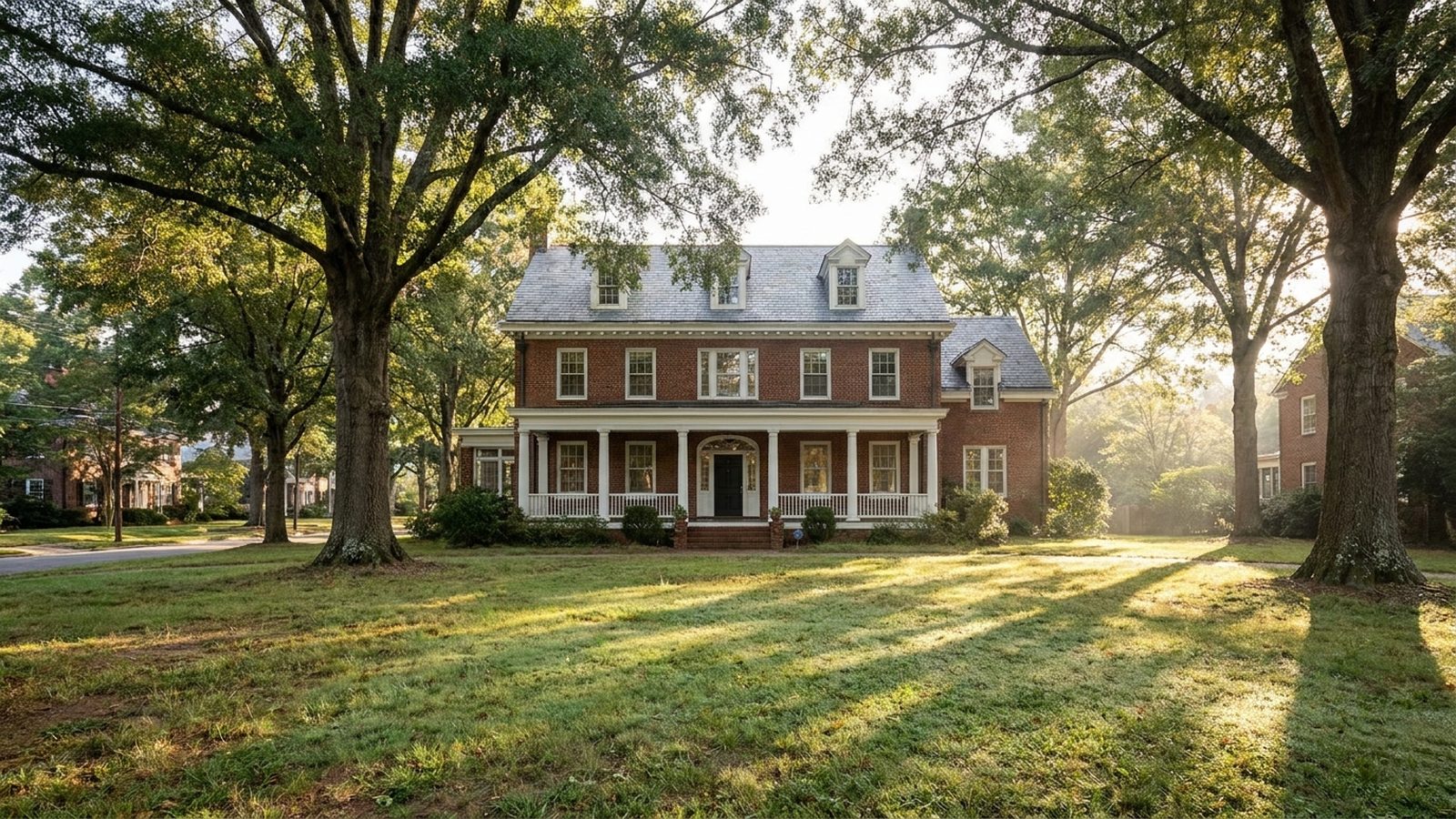
Inheriting a property in Greensboro, North Carolina, often brings a mix of profound emotional weight and complex logistical responsibilities. Whether the house is a historic bungalow nestled in Fisher Park or a sprawling mid-century brick ranch near the High Point border, selling an inherited home requires far more than simply putting a sign in the yard. Families must navigate Guilford County estate procedures, manage ongoing carrying costs, and make crucial decisions about repairs, disclosures, and family dynamics. This guide breaks down what heirs and personal representatives need to know to handle the process smoothly, protect the estate’s assets, and ultimately honor their loved one's legacy while transitioning the property to its next chapter.
Navigating the Estate Process in Greensboro, North Carolina
Before any real estate transaction can occur, legal authority must be established. In North Carolina, when a property owner passes away, their assets typically enter the estate process. For a home located in Greensboro, this process is overseen by the Clerk of Superior Court in Guilford County. The court’s role is to ensure that the deceased’s assets are properly accounted for, debts are paid, and the remaining property is distributed according to the will or state law.
The individual responsible for managing these tasks is the personal representative (often referred to as an executor if named in a will, or an administrator if appointed by the court). It is crucial to understand that simply being named in a will does not automatically grant you the power to sell the house. You must officially open the estate and receive documents from the court granting you the authority to act on behalf of the estate. Only then can you legally sign a listing agreement, negotiate with buyers, or execute a deed transfer.
Because estate laws can be intricate and missteps can lead to significant delays, it is highly recommended to consult with a licensed North Carolina estate attorney. An attorney can help you understand the specific requirements for your situation, ensure all filings are completed accurately, and guide you through the rules set forth by the North Carolina Judicial Branch. Taking the time to establish proper legal footing early on will prevent major headaches when it comes time to close on the sale of the house.
Understanding Carrying Costs for Guilford County Inherited Homes
One of the most pressing financial challenges of inheriting a house is managing the ongoing carrying costs. While the estate is open and the house sits vacant, the bills do not stop. These costs can quickly drain the estate's liquid assets or, if the estate is cash-poor, fall directly onto the shoulders of the heirs.
First, there are Guilford County property taxes. These must be kept current to avoid penalties or, in extreme cases, tax foreclosure. Even if the property is completely paid off, taxes remain a persistent financial obligation. If the home still has a mortgage, those monthly payments must also continue. If the estate falls behind, you might find yourself exploring options similar to those Facing Foreclosure in Raleigh, NC? Your Options Explained, as lenders will eventually take action to recoup their funds.
Insurance is another critical expense. Standard homeowners insurance policies generally do not cover properties that are vacant for extended periods. You will likely need to transition to a vacant property policy, which often carries a different premium structure due to the increased risk of undetected damage, vandalism, or theft.
Finally, there are utilities and maintenance. In Greensboro’s climate, shutting off the HVAC system completely is a recipe for disaster. The humid North Carolina summers can rapidly lead to mold growth in unconditioned spaces, while winter freezes can burst pipes. Keeping the electricity, water, and gas active is essential for climate control. Additionally, you must maintain the exterior. Overgrown lawns and accumulated debris not only invite pests but can also result in code violations from the City of Greensboro. When you add up taxes, specialized insurance, utilities, and lawn care, the monthly financial burden of holding an inherited property can be substantial.
The Timeline: Step-by-Step Guide to Selling an Inherited Greensboro Home
Selling an inherited house is a marathon, not a sprint. Having a clear timeline can help manage expectations and keep the family aligned throughout the process.
Step 1: Secure the Property and Locate Documents. Immediately after inheriting the home, ensure it is physically secure. Change the locks, forward the mail, and locate important documents such as the deed, the will, recent tax bills, and any mortgage statements.
Step 2: Open the Estate. Work with your estate attorney to file the necessary paperwork with the Guilford County Clerk of Superior Court. Once the personal representative is officially appointed, they can begin managing the property's finances and preparing for the sale.
Step 3: Determine the Property's Value and Assess Condition. You will need to establish the fair market value of the home at the time of the owner's passing. This is crucial for tax purposes. At this stage, it is also wise to thoroughly inspect the property. Older Greensboro homes may have hidden issues, such as foundation settling due to North Carolina's expansive red clay soil, or outdated electrical systems that no longer meet current codes.
Step 4: Clear Out Belongings. This is often the most emotionally taxing step. Sorting through a lifetime of memories takes time. Families must decide what to keep, what to sell through an estate sale, what to donate to local Greensboro charities, and what to discard.
Step 5: Choose a Selling Path and Close. Once the house is empty and the legal authority is secured, you must decide how to sell. Will you list it traditionally, requiring repairs and staging, or will you seek a direct cash buyer for a faster, as-is transaction? Once a buyer is found, the title company will ensure the estate's legal authority is valid, pay off any remaining debts attached to the property, and distribute the proceeds to the heirs.
What to Watch Out For: Disclosures, Taxes, and Co-Heirs
When selling an inherited property, heirs face a unique set of legal and financial hurdles that differ significantly from selling a primary residence.
North Carolina Property Disclosures
For covered transfers, the owner of residential real property must furnish a purchaser a residential property disclosure statement, which either discloses items of which the owner has actual knowledge or states that the owner makes no representations as to the property's characteristics and condition. Source: North Carolina G.S. 47E-4
The "no representations" option provided by North Carolina law is particularly relevant for inherited homes. Often, heirs have not lived in the property for decades, if ever. They simply do not know the age of the roof, the history of the HVAC system, or whether the basement leaks during heavy spring rains. Choosing to make no representations can protect the estate from liability regarding unknown defects, though buyers may heavily rely on their own independent inspections as a result.
Taxes are another major consideration. When you inherit real estate, you typically benefit from a "stepped-up basis." According to IRS Publication 551, the basis of property received by inheritance is generally its fair market value at the date of the decedent's death. This means if your parents bought a house in Lindley Park decades ago for a fraction of its current value, you inherit it at today's value. If you sell it shortly thereafter, your capital gains taxes are calculated based on this new, higher value, potentially saving the estate a massive tax burden.
It is important to distinguish this from the standard home sale exclusion. While IRS Topic 701 notes that homeowners may exclude up to $250,000 of gain ($500,000 married filing jointly) on the sale of a main home if ownership and use tests (generally living there two of the last five years) are met, heirs rarely meet this use test for inherited properties. Therefore, the stepped-up basis is the primary tax shield. Always consult a qualified tax professional to understand the specific implications for your inheritance.
Finally, watch out for family disagreements. When multiple siblings or relatives co-inherit a property, differing opinions on the listing price, the necessity of repairs, or the urgency of the sale can halt the process entirely. Clear communication and reliance on the personal representative's legal authority—guided by the estate attorney—are essential to keep the sale moving forward.
Get a Cash Offer for Your Greensboro Home
No repairs, no fees, no hassle. Close in as little as 7 days.
Get My Free Offer →Preparing a Greensboro House for Sale: Neighborhood Considerations
If you decide to prepare the house for the market, understanding the specific Greensboro neighborhood is vital. Buyer expectations vary wildly depending on the location and the architectural style of the home.
If the inherited property is in Irving Park, buyers are often looking for grand, well-maintained estates with mature landscaping. The large oak trees that define the neighborhood are beautiful, but they can also cause significant root intrusion into older plumbing lines. Preparing an Irving Park home might require substantial landscaping cleanup and high-end cosmetic updates to attract the right buyer pool.
In historic Fisher Park, preservation is key. Buyers here appreciate original hardwood floors, classic moldings, and architectural integrity. However, they are also wary of the outdated electrical wiring and ancient boiler systems common in these early 20th-century homes. Navigating historic district guidelines for any exterior repairs can also add time and complexity to your preparation.
For homes in Lindley Park or near the High Point border, the target demographic often shifts toward young professionals, first-time buyers, or those commuting for the furniture industry. These buyers typically want move-in ready spaces with modernized kitchens and bathrooms. If the inherited home is a time capsule from the 1970s, it may require significant renovation to command top market value.
Checklist: Securing an Inherited Greensboro Home
- Reroute all postal mail to the personal representative's primary address to prevent mailbox overflow.
- Change all exterior locks and secure windows, especially on older, historic properties.
- Notify the current homeowners insurance provider about the vacancy and transition to a vacant property policy immediately.
- Keep climate control active to protect against North Carolina humidity and sudden winter freezes.
- Schedule regular lawn maintenance to comply with neighborhood standards and avoid drawing unwanted attention to the vacant home.
Traditional Listing vs. Selling As-Is for Cash
When the time comes to sell, families generally have two main paths: a traditional market listing or a direct as-is cash sale. Understanding the pros and cons of each will help you make the best decision for the estate.
A traditional listing involves hiring a real estate agent, emptying and cleaning the house, making necessary repairs, and staging the property for showings. This route is often best if the house is in excellent condition, updated to modern standards, and the estate has plenty of cash on hand to cover the ongoing carrying costs, agent commissions, and repair bills. However, traditional sales can take months, and buyers utilizing standard mortgages will require the home to pass strict appraisals and inspections. If the home has a failing roof or significant foundation issues, retail buyers may demand costly concessions or walk away entirely.
Alternatively, selling the property as-is to a cash buyer offers a streamlined solution. This approach is highly beneficial if the house requires extensive repairs, is filled with years of accumulated belongings, or if the family simply wants to close the estate quickly without the stress of managing a renovation. Cash buyers purchase the property in its current condition, meaning the estate does not need to spend money on updates or worry about a buyer's financing falling through at the last minute.
Companies like USHomeBuyers.com specialize in these types of transactions. As experienced cash home buyers in Greensboro, we understand the nuances of the local market and the complexities of the estate process. We can work directly with the personal representative to provide a fair, straightforward offer, allowing the family to bypass the traditional listing hassles. Whether you are dealing with a local property or comparing the process to Selling an Inherited House in Birmingham, AL: Probate Guide, the core benefit of a cash sale remains the same: speed, certainty, and relief from the burden of an unwanted property. For more general advice on navigating these situations, you can also review our guide: Inherited Property? Here's How to Sell It Quickly and Easily.
Conclusion
Selling an inherited house in Greensboro involves a delicate balance of legal compliance, financial management, and emotional readiness. By understanding the Guilford County estate process, acknowledging the reality of carrying costs, and making informed decisions about property disclosures and selling methods, you can successfully navigate this difficult transition. If managing repairs, showings, and prolonged timelines feels overwhelming, exploring a direct sale might be the right choice for your family. You can request a no-obligation cash offer to see if an as-is sale aligns with the estate's goals.
This article is general information, not legal, tax or financial advice. Rules change, so confirm details with a licensed professional in North Carolina.
Frequently Asked Questions
Do I have to go through the estate process to sell an inherited house in Greensboro?
Generally, yes. Unless the property was held in a trust or had a specific right of survivorship deed, the estate must be opened with the Guilford County Clerk of Superior Court to establish the legal authority to transfer the title to a new buyer.
What happens if the inherited house in Greensboro needs major repairs?
You have a few options. The estate can fund the repairs if there is enough liquid capital, you can list the property as-is on the traditional market and negotiate concessions with buyers, or you can sell directly to a cash buyer who will take on the repair burden.
Do I need to disclose every defect when selling an inherited house in North Carolina?
North Carolina law requires a residential property disclosure statement for covered transfers. However, the law allows an owner to state that they make 'no representations' regarding the property's condition, which is a common choice for heirs who have not recently lived in the home.
Can I sell the house if my siblings and I disagree on the price?
Disagreements among co-heirs can delay the sale. The personal representative or executor generally has the authority to make final decisions if granted by the will or the court, but it is always highly recommended to reach a consensus or consult a North Carolina estate attorney to mediate disputes.
Sources & Further Reading
- North Carolina G.S. 47E-4: Required disclosures
- North Carolina Judicial Branch
- IRS Publication 551: Basis of Assets
- IRS Topic 701: Sale of your home
- North Carolina Housing Finance Agency