
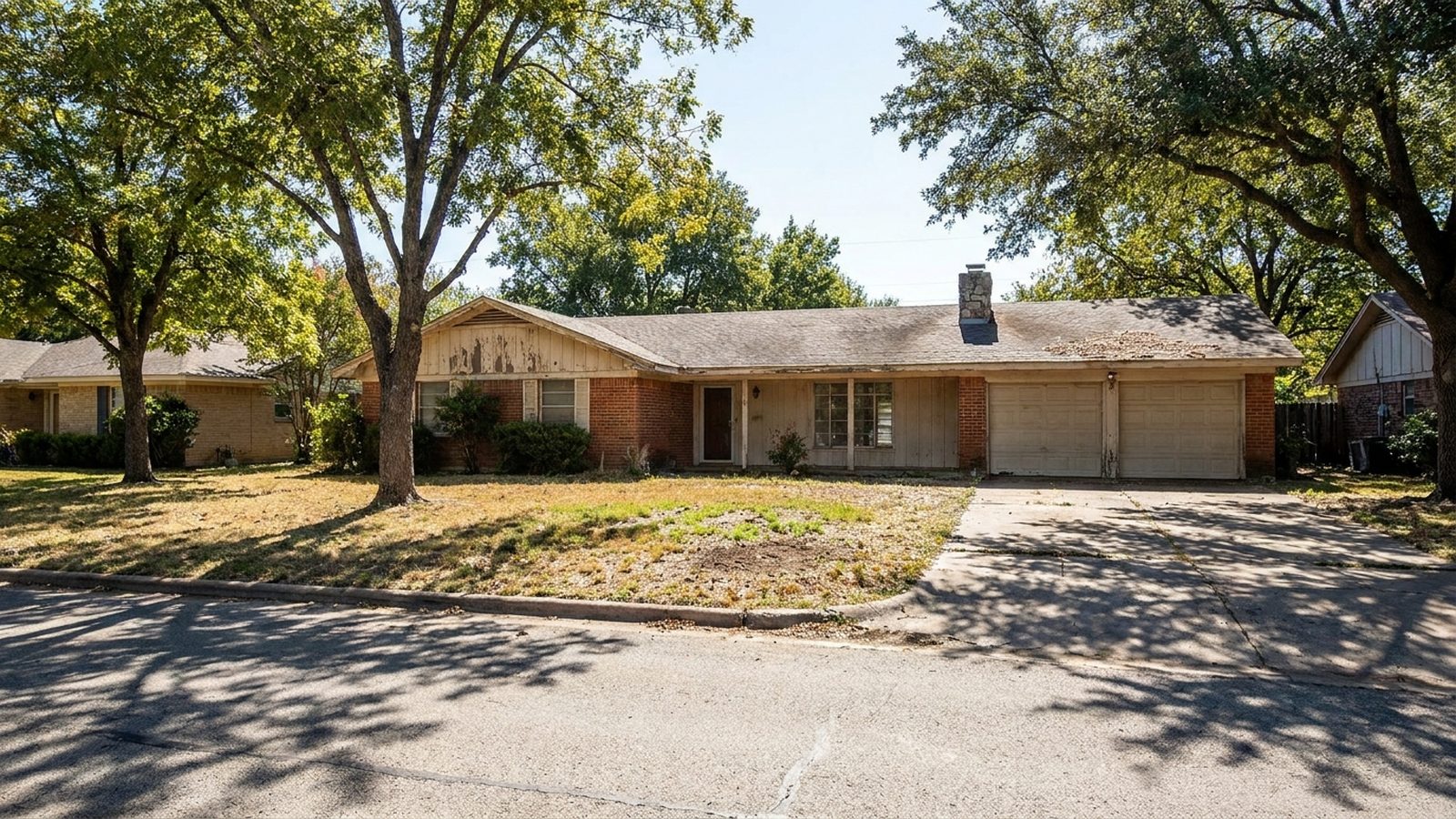
Selling a house in Dallas with deferred maintenance can feel like a monumental task, especially when you start adding up the potential costs of updating an aging property. Whether you inherited a family home that has seen better days or simply lack the funds to prepare your primary residence for the traditional market, the prospect of managing contractors and draining your savings is daunting. The good news is that you do not have to renovate your home to move on. Selling a property as-is is a highly viable strategy in Dallas County. However, to execute an as-is sale successfully, you must understand which structural issues actually matter to buyers, how Texas disclosure laws work, and when traditional bank financing might fall through due to the home's condition.
The Reality of Selling As-Is in Dallas, Texas
Dallas County boasts a rich tapestry of architectural styles, but older homes often come with hidden maintenance burdens. If you own a 1920s Tudor in East Dallas, a mid-century ranch in Lake Highlands, or a post-war cottage in Oak Cliff or Pleasant Grove, you are likely dealing with aging infrastructure. The local geography plays a massive role in the condition of these homes. Texas is notorious for its expansive clay soil—often referred to as Blackland Prairie soil—which expands dramatically when saturated with rain and shrinks during our blistering summer droughts. This constant subterranean movement wreaks havoc on both pier-and-beam and concrete slab foundations.
When you decide to sell an aging property in Dallas, the list of recommended repairs from well-meaning real estate agents can quickly become overwhelming. Fortunately, you are not legally obligated to fix everything—or anything—before handing over the keys. Selling a property in its current condition is entirely possible, provided you understand how local market dynamics and buyer financing work. Retail buyers looking for a move-in-ready home will have very different expectations than an investor who specifically seeks out fixer-uppers.
Which Repairs Actually Matter to Dallas Home Buyers?
When you list a home on the traditional market, retail buyers and their mortgage lenders scrutinize the "Big Five" structural and mechanical systems. While you might be tempted to ignore these, it is crucial to understand why they create roadblocks for traditional sales.
- Roof: North Texas experiences severe spring storms characterized by high winds and large hail. If your roof has sustained significant damage over the years, buyers will struggle to secure homeowner's insurance, which in turn kills their mortgage approval. For more context on this hurdle, read our guide on Selling a Fort Worth, TX House With Hail or Storm Damage.
- Foundation: As mentioned, Dallas soil is unforgiving. Lenders often require structural engineer reports if the appraiser flags cracks in the brick veneer, sticking doors, or sloping floors. You can explore similar regional challenges in our article about Selling a House With Foundation Problems in San Antonio, TX.
- HVAC: A reliable central air conditioning system is not a luxury in the Texas heat; it is an absolute necessity. Government-backed loan programs, such as FHA and VA loans, require the appraiser to test the HVAC system. If it cannot cool the house adequately, the loan will not be funded until the system is repaired or replaced.
- Plumbing: Many older homes in Oak Cliff and East Dallas still rely on original cast-iron plumbing under the slab foundation. When these aging pipes corrode, channel, and collapse, the resulting plumbing leaks can wash away the soil and severely undermine the foundation.
- Electrical: Homes built during the 1960s and 1970s might feature aluminum wiring or outdated electrical panels. These present significant fire hazards that strict loan programs and insurance carriers simply will not accept without a full electrical update.
If you are selling to a retail buyer relying on an FHA, VA, or even a strict conventional loan, the property must meet minimum property requirements. If it does not, the buyer's lender will mandate repairs before closing. If you do not have the cash to perform these fixes, your transaction will stall. However, cosmetic issues like outdated cabinets, scuffed hardwood floors, or peeling wallpaper are a different story entirely. You can learn more about prioritizing your efforts in our guide on 10 Things You Don't Need to Fix Before Selling Your House As-Is.
The Texas Seller's Disclosure and the Option Period
Selling a house "as-is" in Texas means you are not agreeing to make any repairs, but it absolutely does not mean you can hide the property's flaws. Honesty is both a legal requirement and the best policy to avoid costly lawsuits after the sale closes.
Understanding Texas Disclosure Laws
Texas Property Code Sec. 5.008 requires sellers of most residential property to give buyers a written Seller's Disclosure Notice that asks about known conditions, including flooding, foundation, roof and insurance claims. Source: Texas Property Code Chapter 5.
When you list a home, buyers will typically use standard contract forms promulgated by the Texas Real Estate Commission (TREC). These standard contracts almost always include a provision for an "option period." The option period is a negotiated window of time—usually a handful of days—during which the buyer pays a non-refundable fee directly to you for the unrestricted right to terminate the contract for any reason. During this time, buyers will hire licensed home inspectors to scrutinize your property from top to bottom.
Even if a buyer initially agreed to buy the house as-is, the inspection report often triggers a round of aggressive renegotiation. If the inspector discovers that the HVAC heat exchanger is cracked or the foundation needs extensive steel piering, the buyer may demand a massive price reduction, insist you pay for the repairs, or simply use their option period right to walk away. This creates a highly stressful environment for sellers who thought they had a done deal.
Get a Cash Offer for Your Dallas Home
No repairs, no fees, no hassle. Close in as little as 7 days.
Get My Free Offer →Step-by-Step: How to Sell Your Dallas House Without Repairs
Navigating an as-is sale requires a methodical approach to ensure you protect your interests and attract the right kind of buyer. Here is a general timeline of how the process unfolds in the Dallas market.
1. Assess and Document the Condition: Walk through your home and take an objective inventory of its flaws. Gather any past repair records, warranties, or insurance claims. It is also wise to check with the City of Dallas to ensure there are no open code compliance violations or unpermitted additions that could surprise you during the sale.
2. Complete the Disclosure Notice: Fill out the Seller's Disclosure Notice thoroughly and honestly. If you know the roof leaks during heavy rain, state it clearly. Disclosing issues upfront prevents buyers from claiming they were deceived later on.
3. Determine Your Selling Strategy: Decide whether you want to list the home on the open market with a real estate agent or sell it directly to a cash buyer. Listing traditionally may expose the home to more buyers, but it also invites the financing hurdles and option period renegotiations discussed earlier.
4. Market and Field Offers: If you list the home, prepare for showings. Be highly critical of offers that rely on FHA or VA financing if your home has significant deferred maintenance. Cash offers or conventional loans with large down payments are generally more reliable for fixer-uppers.
5. Close at a Local Title Company: Once you navigate the option period and the buyer's financing is approved, the transaction will move to a local title company. The title company handles the title search, ensures there are no outstanding liens against the property, and facilitates the final exchange of funds and keys.
Checklist for Selling As-Is in Dallas
- Gather past repair records, structural engineering reports, and warranties.
- Complete the Seller's Disclosure Notice thoroughly and honestly.
- Evaluate the strength of buyer financing (cash vs. FHA/VA/Conventional).
- Review all offers carefully, paying close attention to contingencies and option period lengths.
- Prepare for the buyer's inspection and mentally prepare for potential renegotiations.
Costs, Taxes, and the Numbers Behind Selling As-Is
Selling a house involves various transaction costs, even if you successfully skip the repairs. When closing at a Dallas title company, you will encounter standard closing costs. These typically include title insurance policies, escrow fees, recording fees, and prorated property taxes. Dallas County property taxes can be substantial, and you will be responsible for paying your portion of the annual tax bill up to the exact day of closing. The title company will ensure these prorated taxes are automatically deducted from your sale proceeds. For comprehensive information on the closing process and standard mortgage procedures, the CFPB's Owning a Home portal offers valuable consumer guidance.
Beyond the immediate closing costs, you must also consider the tax implications of your sale. Fortunately, the federal government provides a significant tax break for primary residences that can help you keep more of your money. According to IRS Topic 701: Sale of your home, homeowners may exclude up to $250,000 of gain ($500,000 if married filing jointly) on the sale of a main home, provided specific ownership and use tests are met—generally, this means you must have owned and lived in the home for two of the last five years before the sale.
What to Watch Out For When Selling a Fixer-Upper
When selling a distressed property in Dallas, sellers must navigate several potential pitfalls that can derail the transaction at the last minute. First, beware of the "appraisal gap." If a retail buyer is using a mortgage to purchase your as-is home, their lender will require an independent appraisal. If the appraiser determines the home's poor condition severely diminishes its market value, the appraisal may come in significantly lower than the agreed-upon contract price. In this scenario, the lender will only fund up to the appraised value. The buyer must then cover the difference out of their own pocket in cash, or the deal falls apart.
Second, be cautious of inexperienced real estate wholesalers. Some individuals will offer an attractive, above-market price for your distressed property, only to tie it up in a contract while they try to find an actual investor to take their place. If they cannot find an end buyer, they will use a contingency clause to back out just before closing, leaving you stranded and forcing you to start the process all over again.
Finally, brace yourself for "buyer's remorse." Retail buyers often romanticize the idea of renovating a historic East Dallas craftsman or updating a mid-century Lake Highlands ranch. However, once their inspector hands them a forty-page report detailing outdated electrical panels, cast-iron plumbing leaks, and foundation shifts, panic sets in. This emotional whiplash is why financing fall-throughs and canceled contracts are incredibly common when selling fixer-uppers on the open market.
Decision Framework: Fix It Up or Sell to a Cash Buyer?
Ultimately, you must weigh the time, stress, and out-of-pocket costs of repairing the home against the convenience of a fast, as-is sale. If you have substantial savings, reliable contractors, and several months to spare, completing the repairs and listing with a traditional real estate agent might yield the highest gross sale price. This route is ideal for sellers who are not in a hurry and can comfortably float the property taxes, utility bills, insurance, and mortgage payments while the home sits on the market during renovations and showings.
On the other hand, if you lack the time, capital, or patience to manage a major renovation, selling to cash home buyers in Dallas is a highly effective alternative. Companies like USHomeBuyers.com specialize in purchasing properties exactly as they are. When you sell to a dedicated cash buyer, you completely bypass the lender-mandated repairs, the stressful option period renegotiations, and the uncertainty of retail financing. We buy houses across Texas, handling the cleanup and the heavy lifting so you can move forward with your life quickly and quietly. If you are ready to explore this route, you can request a no-obligation cash offer to see exactly what your property is worth in its current condition, without spending a dime on repairs.
Moving Forward with Confidence
Selling a house fast in Dallas, TX, without making repairs is a strategic choice that can save you immense frustration and upfront expense. By understanding the unique challenges of the local housing stock, adhering to Texas disclosure laws, and recognizing the limitations of traditional buyer financing, you can navigate the real estate process with confidence. Whether you choose to list your property traditionally or sell directly to USHomeBuyers.com for cash, knowing your options empowers you to make the best financial decision for your unique situation.
This article is general information, not legal, tax or financial advice. Rules change, so confirm details with a licensed professional in Texas.
Frequently Asked Questions
Do I have to fix my foundation before selling my Dallas house?
No, you are not legally required to fix foundation issues before selling. However, you must disclose known structural problems on the Texas Seller's Disclosure Notice. Selling as-is to a cash buyer is a common solution if you want to avoid the time and expense of piering and leveling.
Will traditional buyers purchase a Dallas home with an old HVAC system?
Traditional buyers may be hesitant, and strict lenders often require a fully functioning HVAC system before approving a mortgage. In the intense Texas heat, a failing AC can prevent a retail sale, making cash buyers a more reliable alternative for older systems.
What happens during the option period in Texas?
The option period is a negotiated timeframe where the buyer pays a fee for the unrestricted right to terminate the contract. Buyers typically use this time to conduct inspections. If they find major issues, they may demand repairs, request a price reduction, or cancel the contract entirely.
Are there tax benefits when selling my primary residence in Dallas?
Yes. Under federal tax law, if you meet specific ownership and use tests—generally living in the home for two of the last five years—you may exclude up to $250,000 of gain from the sale of your main home, or up to $500,000 if married filing jointly.
Sources & Further Reading
- CFPB: Owning a Home
- IRS Topic 701: Sale of your home
- Texas Property Code Chapter 5 (includes Sec. 5.008, seller's disclosure notice)
- Texas Real Estate Commission (TREC)
- City of Dallas